

Packaging Suppliers South Africa
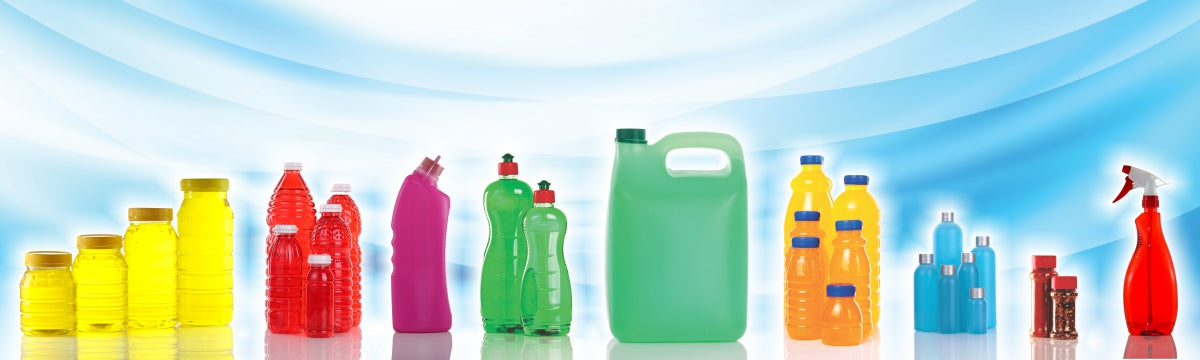
Trust The Top Packaging Suppliers in Pretoria - WhatsApp Us For Any Questions






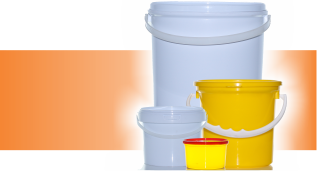
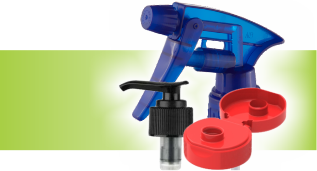



BEST SELLERS

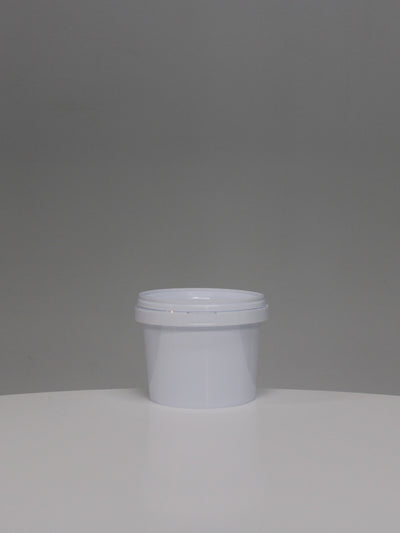
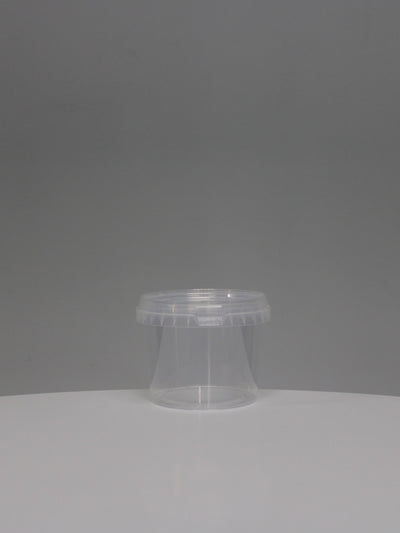
VISIT US
OUR SHOWROOM
Located in Industria West, Johannesburg our showroom offers the opportunity to view our full range of products in person. Our friendly sales staff are available to assist you with any questions, quotations and samples you require.
Mondays - Thursdays: 08:00 - 16:30
Fridays: 08:00 - 14:30
Saturdays, Sundays & Public Holidays: Closed
PackNet Articles

Plastic Bottle Manufacturer vs Supplier: What SA Buyers Should Know
A plastic bottle manufacturer produces containers from raw material, often using a mould created for a specific design. A supplier holds standard bottles in stock and sells them ready to dispatch. Most South African businesses ordering standard containers or smaller quantities need a supplier rather than a manufacturer. Choosing the wrong route can mean unnecessary mould costs, higher minimum order quantities and a longer wait before production can begin.
In this guide, we explain the difference between a manufacturer and a supplier, when custom production makes sense, and how the decision affects MOQ, lead time and cost. We also show what to ask when comparing a plastic bottle manufacturer vs supplier, including where PackNet fits into the market.

What Is the Difference Between a Manufacturer and a Supplier?
A manufacturer makes plastic bottles. A supplier buys, stores and sells bottles made by manufacturers. That difference sounds simple, but it changes nearly every part of the buying process.
A manufacturer starts with plastic resin, such as PET or HDPE, and uses industrial equipment to form bottles. For a custom project, the manufacturer may also design and produce a mould. The mould determines the bottle's shape, neck finish and sometimes details such as grip areas or embossed branding. Once the tooling is ready, the bottles are produced in a controlled production run.
A supplier usually focuses on availability and distribution rather than making the container. Suppliers work with standard bottle designs and may stock several sizes, shapes, colours and closure options. This lets buyers order products that already exist instead of waiting for a new production programme.
Neither option is automatically better. A custom plastic bottle manufacturer is appropriate when the packaging itself needs to be unique. A plastic bottle supplier is usually more practical when the bottle only needs to contain, protect and present the product effectively. Buyers should hence describe their packaging requirement first, rather than searching only for a company using one particular label.
When to Choose a Custom Plastic Bottle Manufacturer
We should choose a manufacturer when an existing bottle cannot meet the product's requirements. That may involve a distinctive shape, a particular capacity, a special neck size or branding built directly into the container. A manufacturer can develop the tooling needed to produce that design repeatedly.
Custom production can also make sense for a private-label product with substantial and predictable demand. If a company expects to order large volumes for an extended period, the cost of developing a mould may be spread across many units. The result can be packaging that stands apart on a retail shelf and gives the brand greater control over its dimensions and appearance.
But, "custom" should not be used loosely. Printing a label on a standard bottle is not the same as creating a new bottle. Nor is choosing a different colour necessarily a new mould project. We should ask whether the proposed change affects the container itself, the decoration, the closure or only the purchasing specification.
A manufacturer will normally need clear technical information before quoting. This can include drawings, sample references, material requirements, intended contents, filling method and expected annual volume. Without that information, a quote may be provisional rather than a reliable project cost.
When a Plastic Bottle Supplier Is the Better Option
A supplier is generally the better option when we need a standard bottle, a modest first order or a quick route to market. Standard packaging is already designed, tested within the supplier's range and available without developing a new mould. That removes a major cost and reduces the number of decisions required before ordering.
This model suits products such as personal care items, cleaning products, food-related applications where suitable packaging is available, automotive fluids and many household products. The right bottle still needs to match the contents, filling process and closure, but we can usually compare existing options rather than start from a blank page.
A supplier can also be useful when demand is uncertain. A new business may not know whether it will sell hundreds, thousands or significantly more units. Ordering standard packaging allows the business to test the market before committing to a large custom manufacturing programme. It can also make repeat ordering simpler if the bottle specification remains unchanged.
We can review our full plastic bottle range when a standard container is likely to meet the requirement. For buyers comparing options, our guide to finding the best plastic shop and our plastic shop sourcing guide provide useful context on evaluating packaging businesses and product ranges.
How Your Choice Affects MOQ, Lead Time and Cost
The choice between a manufacturer and supplier has a direct effect on minimum order quantity, lead time and total cost. A manufacturer normally produces to order, so a project may require a larger run to make machine time, raw material preparation and mould use commercially sensible. Depending on the design and production requirements, custom orders may commonly begin in the range of 5,000 to 50,000 units, although the actual MOQ must be confirmed for each project.
Custom work can also take around 4 to 12 weeks when mould development, approvals, production and delivery are included. That is not a promise for every project. Artwork, tooling revisions, material availability and production scheduling can all affect the timetable. Buyers should ask when the clock starts: at quotation, purchase order, mould approval or final artwork approval.
Stock items follow a different model. A supplier may offer a more flexible MOQ and, where the chosen item is available, same-week dispatch. The per-unit price may not be as low as a very large factory order, but the overall project cost can still be lower because there is no new mould and less working capital tied up in packaging.
We should compare the full landed cost, not just the unit price. Include tooling, samples, freight, storage, closures, labels and the cost of waiting for packaging. Our wholesale spray bottle sourcing guide also illustrates why order size and timing matter when buying packaging in volume.
Finding Plastic Packaging Suppliers in South Africa
When we compare plastic packaging suppliers South Africa-wide, the first step is to decide whether we need a standard bottle or genuinely custom production. We should then send the same brief to each vendor so that quotes can be compared fairly. The brief should state the bottle type, capacity, material if known, neck and closure requirements, quantity, delivery location and required date.
Questions to Ask Before Choosing a Bottle Partner
We should ask whether the company manufactures the bottle, distributes it or combines both models through production partners. A clear answer matters more than a broad description such as "packaging specialist". We should also ask whether the quoted bottle is a standard item or requires new tooling, what the MOQ is, what is included in the lead time and whether samples can be supplied before a larger order.
Other useful questions cover closure compatibility, material suitability, packaging for transport, repeat-order arrangements and what happens if specifications change. Buyers looking for a plastic bottle supplier can use these questions when assessing any vendor. The same applies when comparing a PET bottle supplier: the material name alone does not confirm that the bottle suits the product or filling line.
Comparing Plastic Bottle Manufacturers and Suppliers South Africa-Wide
We should compare like for like. A quote for an existing bottle from a distributor is not directly comparable with a quote for a newly moulded design from one of the plastic bottle manufacturers South Africa buyers may contact. Ask each business to separate bottle price, closure price, tooling, delivery and any setup charges.
PackNet's role is straightforward. PackNet is a supplier, not a manufacturer. We provide standard plastic packaging for wholesale and retail buyers, while larger projects may have turnkey custom project capability through the appropriate production route. Buyers can learn more through the PackNet homepage. This makes PackNet relevant when we need a practical supply solution, while a dedicated manufacturer may be the right route for a high-volume bottle that must be created from a new mould.
The best choice is not determined by the word used in a company's marketing. It comes from matching the vendor's operating model to the order: stock supply for speed and flexibility, or manufacturing for a justified custom design and sufficient volume.
Frequently asked questions
What's the difference between a plastic bottle manufacturer and a supplier?
A plastic bottle manufacturer produces containers from raw material, often using a mould built for a specific design. A supplier holds standard bottles in stock and dispatches them ready to use. Most South African businesses ordering standard containers or smaller quantities need a supplier rather than a manufacturer.
Do I need a manufacturer for a custom bottle design?
You need a manufacturer only when an existing bottle cannot meet your requirements, such as a distinctive shape, unusual capacity or branding built into the container itself. A new label or colour on a standard bottle does not require new tooling, so check whether the change affects the container or only the decoration.
Why is minimum order quantity higher with a manufacturer?
Minimum order quantity is higher with a manufacturer because custom production requires mould development, raw material preparation and dedicated machine time, which are only commercially viable across a larger run. Custom orders commonly start in the range of 5,000 to 50,000 units, though the exact MOQ depends on the project.
Is PackNet a manufacturer or a supplier?
PackNet is a supplier, not a manufacturer. We provide standard plastic packaging for wholesale and retail buyers, with turnkey custom project capability available through the appropriate production route for larger orders. This makes PackNet the practical choice for a fast, flexible supply solution rather than newly moulded packaging.
How do I check if a company is really a manufacturer?
Ask directly whether the company manufactures the bottle, distributes it, or combines both through production partners, rather than relying on a general description like "packaging specialist". Also ask whether the bottle you are quoted is a standard item or requires new tooling, and request evidence such as production capability or samples.

Plastic Tubs and Buckets with Lids: Sizes, Uses and Wholesale Pricing
Plastic tubs with lids range from small snap-lid tubs under 500ml to large tamper-evident buckets over 20L, and the lid type matters as much as the size. Getting the lid mechanism wrong can cause more returns, leaks and customer complaints than choosing a slightly unsuitable capacity. Our plastic tubs with lids guide explains how to compare materials, closures, capacities, pack quantities and storage requirements before placing a wholesale order.
The right choice depends on what the container holds, how it will be handled, whether it needs a food-safe seal and how it will be sold or stored. We cover the decisions that matter when sourcing tubs with lids for regular business use.

Choosing the Right Plastic Tub for Your Product
The product should determine the tub before appearance or price. Start with the contents: a dry powder, thick cream, liquid, abrasive compound and small retail product all place different demands on the container and lid. We also recommend considering how the tub will be filled, labelled, opened and resealed in normal use.
For dry goods such as powders, spices, confectionery or pet treats, a rigid tub with a close-fitting snap lid may be sufficient. Thick products, including balms, sauces and cleaning pastes, often need a wider opening so staff can fill the tub efficiently and customers can remove the contents without scraping the sides. Liquids need closer attention to the seal, thread and transport position.
Think about the customer's hand as well. A lid that is secure but difficult to remove may be unsuitable for a consumer product, while a closure designed for repeated opening may not be appropriate where evidence of first opening is important. Before comparing quotations, define the product's density, fill weight, viscosity, temperature and expected shelf life. Those details narrow the choice far more effectively than capacity alone.
Food-Grade Materials, Safety Standards, and Durability
Food-grade lidded containers are made from materials intended for contact with food under the relevant conditions of use. That does not mean every plastic tub is suitable for every food product. We need to consider the food type, contact time, temperature and whether the container will be exposed to oil, acidity or moisture.
For food businesses, ask for the appropriate product information and confirm that the selected tub and lid are intended for the proposed application. A container may be suitable for dry ingredients but less suitable for hot filling or oily products. Our range of food jars can also be useful when the product needs a different opening or presentation format.
Industrial-grade tubs are normally selected for durability, handling and resistance to the intended contents rather than direct food contact. They may suit detergents, powders, workshop compounds or agricultural products, but the specification still matters. A strong wall will not compensate for an incompatible lid seal.
Durability also includes repeated use. If customers open the pack daily, check whether the lid can be removed and replaced without distortion. If the tub is intended for one sale and one opening, a tamper-evident closure may be the better fit.
Lid Types: Clip-On, Screw Lid, and Tamper-Evident Options
The main lid mechanisms are press-on or clip-on lids, screw lids and tamper-evident lids. Each solves a different packaging problem.
Press-on lids use a rim or clip action to hold the lid in place. They are quick to apply, easy to open and well suited to dry goods, snacks, powders and products used repeatedly. Our food snap tubs are an example of the format commonly chosen where quick closure and convenient access matter.
Screw lid tubs use matching threads on the tub and lid. They can provide a more controlled closure and are often considered for liquids, creams or products that may be tipped during handling. The lid must be started squarely and tightened correctly. Cross-threading, damaged threads or an unsuitable liner can undermine the seal, so production staff should use a consistent closing method.
Tamper-evident lids show whether the container has been opened, usually through a tear strip, breakable band or similar feature. This is valuable for resale products where customers expect the contents to reach them untouched. Tamper evidence is not the same as leak prevention: it indicates opening, but the container still needs a suitable seal for its contents.
When comparing lids, ask whether the container is designed for repeated opening, transport security, customer reassurance or all three. No single mechanism is best for every product.
Understanding Lidded Tub Sizes, Capacities, and Storage Space
Lidded tub sizes should be assessed by usable fill volume, not just the number printed on a catalogue. Headspace may be needed for powders, expansion, settling or a clean closure. A tub filled right to the lid can be difficult to close and may create pressure on the seal during handling.
Small snap tubs can suit samples, spices, cosmetics, confectionery and short-run retail packs. Medium capacities are common for food ingredients, pet products and household goods. Larger tubs are more useful where the customer buys by weight or where reducing the number of packs handled is a priority. For larger requirements, compare 20L and 25L containers, while smaller specialist products may include snuff tubs.
Measure the available shelf, pallet or cupboard space before choosing a capacity. Note the lid diameter, overall height and whether the tubs can nest when empty. Full tubs may not stack in the same way as empty ones, especially if the lid has a raised centre or the contents make the pack unstable.
Also compare fill weight. Two tubs with the same nominal volume can perform differently with a dense product. A practical trial using the real product is usually more reliable than estimating from water volume alone.
Plastic Tubs with Lids Wholesale: Comparing Cost, MOQ, and Supply
When buying plastic tubs with lids wholesale, compare the complete cost per usable unit rather than the tub price alone. Include the lid, liner if required, labels, outer cartons, delivery and any minimum order quantity. A lower unit price may not be economical if it leaves you with excess stock or requires storage you do not have.
Wholesale pack quantities vary by product and format. Some tubs may be packed in sleeves, cartons or larger grouped quantities, and the lid may be supplied separately or already fitted. Confirm the quantity per case, whether cases can be mixed and how many complete units arrive in each pack. This is particularly important when a business needs several sizes but does not want unequal leftover quantities.
Minimum order quantity, or MOQ, means the smallest order accepted for a particular product or line. Ask whether the MOQ applies to one size, one colour or the total order. It is also sensible to check that the selected lid and tub are supplied as a matched combination.
For businesses in cleaning, personal care or household products, related home care packaging may help with comparing formats across a wider range. Keep a record of actual monthly usage, damaged units and seasonal demand. That gives a more useful purchasing forecast than choosing a large quantity simply because the case price appears lower.
Plastic Buckets with Lids Versus Standard Tubs
Plastic buckets with lids are generally the better choice when the product is sold in a larger volume, needs a handle or will be moved regularly by hand. Their shape and construction suit heavier contents, trade use and products that need a larger opening. A bucket can also be easier to carry from a storeroom to a work area.
Standard tubs are often more efficient for shelf presentation, smaller retail quantities and products that need a compact footprint. They may be easier to label and arrange across a display or packing bench. A tub can also make more sense when the customer opens the pack frequently and does not need a handle.
The decision is not simply about capacity. Compare the lid mechanism, grip, wall strength, stacking pattern, product weight and expected handling. A large tub without a handle may be awkward even if its volume is suitable. Conversely, a bucket may occupy unnecessary space for a small consumer pack.
For a fair comparison, assess the full packed unit: filled weight, external dimensions, closure effort, transport stability and how the empty packaging will be stored. That practical view usually reveals whether the business needs a tub, a bucket or more than one format.
Conclusion: Selecting the Best Lidded Containers for Your Operation
The best lidded container matches the product, closure requirement, fill volume and handling routine. Confirm the seal, test the actual contents, check the full dimensions and compare wholesale quantities before committing. For wider background, our general guide to choosing a plastic bucket covers the broader selection process, while this guide focuses on the lid decisions that often determine whether the pack works in daily use.
Frequently asked questions
What's the difference between a snap-lid and a screw-lid tub?
A snap-lid tub closes by pressing the lid over the rim, while a screw-lid tub closes through matching threads. Snap lids are quick and convenient for repeated access. Screw lids can offer a more controlled closure, but they must be aligned and tightened correctly to avoid cross-threading or an incomplete seal.
Which lid type suits liquids versus dry goods?
Screw lids are often considered for liquids because the threaded closure can provide a controlled fit, provided the tub and any liner suit the product. Snap lids commonly work well for dry goods, powders and products opened frequently. The final choice depends on viscosity, transport, orientation and the specified seal.
Can lidded tubs be stacked safely for storage?
Lidded tubs can be stacked safely when their base, lid and contents are designed for stacking. Check the manufacturer's format and test filled units, because a raised lid, heavy product or uneven floor can reduce stability. Keep stacks within a sensible height and avoid placing unstable loads above people or work areas.
How do I check a tub lid is properly sealed before dispatch?
Check that the lid is fully seated around the entire rim, with no visible gap, lifted section or damaged thread. For screw lids, confirm that the closure has been tightened evenly without cross-threading. A small trial using the real product and normal transport position can reveal leakage or movement before dispatch.
Are induction seals available on lidded tubs?
Induction seals may be available for suitable tub and lid combinations, but compatibility must be confirmed before ordering. The seal depends on the container material, lid construction, product and induction equipment. Ask for the correct liner specification and test the finished pack, including seal integrity after filling and storage.

Choosing the Right Container Size for Bulk Liquid Storage: 20L vs 25L
A 20L vs 25L container decision comes down to more than capacity. The difference affects full weight, manual handling, pallet use, pouring and how efficiently a product moves through your operation. Choose the smaller size when control and lifting matter most. Choose the larger size when fewer units and higher output improve the process.
We compare the two sizes below for South African industrial, chemical, food and agricultural applications, focusing on handling, storage, transport and format rather than price.

20L Containers: When Lower Weight and Easier Handling Matter
A 20L container is often the more practical choice when employees regularly lift, carry, tilt or pour product by hand. The container itself adds some weight, and the liquid inside may be dense, so the difference between a full 20L and a full 25L can be noticeable across a full shift. Five additional litres may not sound significant on paper, but repeated lifting makes it relevant.
We generally see 20L units suit operations where staff move containers from pallets to workstations, load them into vehicles, or decant them into smaller equipment. They also make sense where workers need to keep one hand on a handle and control the flow with the other.
For businesses buying in bulk but dispensing in manageable quantities, 20L bulk liquid storage containers can provide a useful balance between volume and control. The size is also familiar across many cleaning, agricultural and industrial applications. Where a business is looking for a 20 litre bucket wholesale SA option, it should assess the filled weight, handle design and intended pouring position together, rather than choosing by nominal capacity alone.
25L Containers: When Extra Capacity Improves Operational Efficiency
A 25 litre container becomes attractive when reducing unit count is more important than keeping each unit as light as possible. Five extra litres per container can mean fewer containers to label, move, open, stage and dispose of. That can simplify a production line or reduce interruptions where the liquid is consumed steadily.
We would consider this size for operations with suitable lifting equipment, short transfer distances or a filling and dispensing process that does not depend on frequent hand pouring. It can also be useful when a standard formulation, batch size or customer requirement already aligns with a 25 litre container.
The larger format is not automatically more efficient. If employees must carry full units repeatedly, the extra mass can slow work and increase handling strain. The key question is whether the additional volume reduces enough handling events to justify the heavier individual container. Industrial container sizes should be matched to the whole process, from filling and storage through to final use.
Handling, Stacking and Transport: The Practical Differences
Capacity is only one part of the choice. The container's footprint, height, closure, handle position and shape affect how it behaves in a warehouse and on a vehicle. Two containers with similar volumes can use space differently if their bases and shoulders are not designed for the same stacking pattern.
A 20L unit may be easier to manoeuvre through narrow aisles or place on a workbench. A 25L unit may reduce the number of units occupying a pallet or storage bay, provided its dimensions make good use of the available footprint. We should hence compare actual outer dimensions and approved stacking guidance, not assume that a larger capacity automatically produces better freight efficiency.
Transport planning also matters. More units mean more individual closures and labels to inspect, while heavier units require more care during loading and unloading. Where containers are moved manually, the safest option is usually the one employees can lift and control consistently throughout the day.
Stacking Stability, Filling Space and Workplace Safety
Stacking works best when containers sit squarely, remain stable and do not leave large unusable gaps. A 25L container can make better use of storage space if its footprint matches the pallet, but a poorly matched shape may waste more space than a well-packed 20L format.
We should also consider the consequences of a fallen container. A stable stack, suitable pallet pattern and secure wrapping reduce movement during storage and transport. In the workplace, safe handling takes priority over theoretical capacity. If the full unit is difficult to lift from a low or high position, the nominal space saving may not be worth it.
Material Choice and Compatibility for Industrial Liquids
Size cannot be separated from material and product compatibility. HDPE, or high-density polyethylene, is widely used for rigid plastic packaging because it offers strength and chemical resistance for many applications. But resistance depends on the specific liquid, concentration, temperature, storage period and closure system.
For HDPE bulk containers South Africa businesses should confirm that the selected format is suitable for the intended product before placing it into routine use. A container that performs well for a household cleaner may not be appropriate for a concentrated chemical, solvent or food ingredient. The same principle applies to agricultural liquids.
We should also check whether the container is intended for transport, storage, dispensing or a combination of these uses. Consider the opening size, seal, handle, wall construction and whether the product needs protection from contamination. A larger container may reduce refill frequency, but a smaller opening or awkward grip can make daily use less efficient. Material and format must work together.
Choosing the Right Container for Your Application
We can make the decision more clearly by mapping the container to the task:
- Choose 20L when people regularly lift and pour by hand, when controlled dispensing matters, or when the product is used at several points around a site.
- Choose 25L when fewer units, longer run time and higher volume per movement are more valuable, especially where handling aids or short transfer distances are available.
- Compare both when pallet dimensions, racking, vehicle loading or dispensing equipment will determine the real efficiency.
Format matters as much as volume. In the buckets and tubs range, a wide opening may help with filling, scooping or solid products, while a jerry can shape is usually better suited to controlled liquid pouring. The practical question in a jerry can vs bucket comparison is not which looks more robust. It is whether the opening, handle and pouring angle suit the product and the person using it.
We should also ask whether the container will be opened once or repeatedly, whether it needs tamper evidence, and how empty units will be cleaned or returned. Food, chemical, agricultural and home-care operations may all use similar capacities, but their handling and contamination controls can differ. For businesses reviewing industrial and chemical packaging or home care packaging, the final choice should follow the product and workflow rather than an assumed industry habit.
Before switching from one size to another, test a filled sample in the real process. Check whether it fits existing pallets, shelves, pumps, funnels and dispensing points. Confirm that employees can lift it safely and that labels remain visible when units are stacked. This small operational check can reveal issues that a capacity comparison misses.
Conclusion
The right choice between 20L and 25L is the one that fits the complete handling cycle. We choose 20L when manual control and lower filled weight matter most, and 25L when extra capacity reduces repeated handling. For related planning, see our full pricing guide for bulk plastic packaging and our guide to choosing a 20L supplier.
Frequently asked questions
What's the difference between a 20L and 25L container?
The main difference is capacity, but the extra five litres also affect filled weight, handling, storage density and dispensing. A 20L container is generally easier to lift and control manually, while a 25L container can reduce unit count and refill frequency where the heavier load is suitable for the process.
Which size stacks better in a warehouse?
Neither size always stacks better because the result depends on the container footprint, height and pallet pattern. A 25L container may use space efficiently when its dimensions match the pallet, while a well-shaped 20L unit may create a more stable or flexible stack. Compare outer dimensions and stacking guidance.
Is a 20L or 25L container easier to handle manually?
A 20L container is usually easier to handle manually because it holds less liquid and weighs less when full. The actual experience also depends on liquid density, handle design, grip position and how far the container must be carried. Test the filled format if staff will pour repeatedly.
What products typically come in 25L versus 20L?
Both sizes are used for industrial, chemical, food, agricultural and cleaning products. A 25L container often suits products consumed in larger batches or processes where fewer refills are useful. A 20L container is common where manual pouring, movement between work areas or tighter weight control matters more.
Can I switch from 20L to 25L without changing my process?
You may be able to switch, but the change should be tested first. Check pallet fit, shelf clearance, lifting practice, filling equipment, pump or funnel access, labels and dispensing height. The additional filled weight can affect workplace handling even when the product, closure and basic container shape remain similar.
Packaging Suppliers South Africa
Let Us Assist With All Your Plastic Packaging Needs with PackNet
Your Go-To Source for Plastic Packaging Suppliers
Let PackNet, a leader in providing versatile packaging solutions in South Africa. With over 65 years of combined expertise, we specialise in a comprehensive range of products including plastic bottles, plastic buckets, plastic jars, and plastic tubs. Our commitment is to serve various sectors such as industrial, cosmetic, food, pharmaceutical, and household cleaning with unparalleled quality.
Our Diverse Plastic Packaging Range
From Small to Large – We Have It All
Our selection includes everything from 10ml Eye Droppers to massive 210Lt Drums, catering to diverse needs. We use a variety of materials like PET, PVC, Polyethylene, and Polypropylene, ensuring durability and safety for every application.
Why Choose Plastic?
Lightweight and Convenient
Plastic containers, known for their lightweight and easy handling, offer convenience and efficiency. Unlike metal containers, which can react with contents, our plastic products are safe and non-reactive, making them ideal for a wide range of uses.
Offering The Most Comprehensive Range of Packaging Supplies South Africa
Packaging Beyond Containers
At PackNet, we go beyond just providing containers. We also supply essential packaging items like plastic bags, pallet wrap, cardboard boxes, and labels. Our showroom and warehouse facilitate both company purchases and direct sales to the public, ensuring a seamless shopping experience.
Custom Solutions for Unique Needs
Tailored Turnkey Plastic Bottle Projects
Our expertise extends to managing Turnkey Plastic Bottle Projects. From custom mould design to the complete production process, our professional team is equipped to handle all aspects, ensuring a custom solution that fits your specific needs.
Sustainability and Responsibility
Eco-Friendly Choices
We are committed to sustainability. Our product range includes eco-friendly options, ensuring that your choice of packaging aligns with environmental responsibility.
Trust PackNet for Friendly Expertise and Reliable Quality
Choose PackNet for a comprehensive range of plastic containers and packaging solutions. Our expertise, variety, and commitment to quality make us the preferred choice for businesses and individuals alike. Trust us to provide packaging solutions that are not only convenient but also environmentally responsible.