

- Home
- Eye dropper bottles
Eye Dropper Bottles
Filter and sort
4 products
4 products
-
Featured
-
Most relevant
-
Best selling
-
Alphabetically, A-Z
-
Alphabetically, Z-A
-
Price, low to high
-
Price, high to low
-
Date, old to new
-
Date, new to old
A Buyer's Guide to Dropper Bottles
In the world of precision dispensing, few packaging solutions are as vital and versatile as the dropper bottle. For businesses across pharmaceuticals, cosmetics, food, and industrial sectors, getting the dosage right isn't just a matter of convenience, it's a Read more...
A Buyer's Guide to Dropper Bottles
In the world of precision dispensing, few packaging solutions are as vital and versatile as the dropper bottle. For businesses across pharmaceuticals, cosmetics, food, and industrial sectors, getting the dosage right isn't just a matter of convenience, it's a matter of efficacy, safety, and customer trust. A product's success can hinge on its ability to deliver a consistent, controlled amount every single time. Yet, selecting the right bottle with dropper is more complex than it appears. It involves a critical understanding of materials, closure systems, sizing, and industry-specific requirements. This guide is designed for procurement managers, production teams, and business owners who need reliable, fit-for-purpose packaging. We will break down everything you need to know to make an informed purchasing decision, ensuring your product is protected, compliant, and perfectly packaged for your customers.
Key Takeaways
- LDPE plastic is the industry standard for eye drop bottles due to its flexibility, which allows for easy and controlled dispensing.
- For pharmaceutical products like eye drops, child-resistant and tamper-evident closures are essential for ensuring patient safety and regulatory compliance.
- A dropper bottle is a complete dispensing system where the bottle, insert, and cap work together to deliver a precise, consistent dose every time.
- The choice between LDPE, HDPE, and PET plastic depends directly on your product's need for flexibility, chemical resistance, or visual clarity.
- Partnering with a reliable supplier is crucial for maintaining a consistent supply of quality packaging and avoiding production delays.
Understanding the Anatomy of a Dropper Bottle
Before you can select the perfect dropper bottle, it's essential to understand its fundamental components. While seemingly simple, each part is engineered to work in concert, providing the reliability and precision your products demand. These aren't just containers: they are precision dispensing systems.
Core Components: The Bottle, Pipette, and Closure System
The typical dropper bottle system consists of three primary parts:
- The Bottle: This is the main reservoir that holds your liquid product. As we'll explore later, the material of the bottle (typically LDPE, HDPE, or PET plastic) is one of the most critical choices you'll make, dictating its flexibility, clarity, and chemical compatibility.
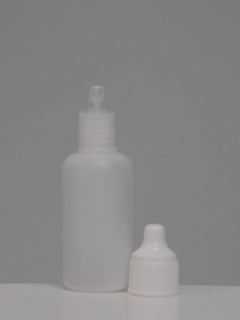
- The Dropper Insert (Pipette/Nozzle): In many plastic eye dropper bottles, instead of a traditional glass pipette with a rubber bulb, the mechanism is a plastic insert or nozzle that fits snugly into the bottle's opening. This component is precision-moulded with a specific orifice size that controls the flow rate and drop volume of the liquid when the bottle is squeezed.
- The Closure (Cap/Lid): This is the cap that seals the bottle. It can be a simple screw-on dome lid, or it can incorporate advanced features like child-resistant (CRC) mechanisms and tamper-evident rings, which are non-negotiable in many industries. The closure works with the insert to create an airtight seal, protecting the contents from contamination and leakage.
The Mechanics of Precision Dosing
The magic of a Dropper isn't just in the hole at the end: it's a finely tuned system. When a user inverts and gently squeezes a flexible plastic bottle (like one made from LDPE), the pressure forces the liquid through the narrow orifice of the dropper insert. The size of this orifice, combined with the viscosity of your product and the pressure applied by the user, determines the size of the drop dispensed. This mechanism is incredibly reliable for achieving metered dosing. For pharmaceuticals like eye drop solutions, ensuring a patient receives the exact same dose every time is critical for treatment efficacy. In the food flavouring industry, it ensures recipe consistency. This level of control minimises product waste and guarantees a predictable user experience, which is paramount for building brand loyalty.
Choosing the Right Plastic: Material Selection Guide
The plastic you choose for your bottles with droppers directly impacts your product's stability, safety, and functionality. Each polymer has a unique profile of properties, and matching these to your product's chemical makeup and intended use is a foundational step in packaging selection. Let's look at the three most common materials we work with.
High-Density Polyethylene (HDPE) for Durability
HDPE is a robust and resilient material known for its excellent strength-to-density ratio. It is naturally opaque or translucent and offers exceptional chemical resistance, making it a go-to choice for packaging more aggressive or sensitive substances. Its rigid structure provides superior impact resistance, protecting the contents during shipping and handling.
- Key Advantages: High durability, excellent resistance to acids, bases, and alcohols, and good moisture barrier properties.
- Common Applications: Industrial chemicals, laboratory reagents, certain pharmaceutical products, and household cleaners where product stability and container toughness are priorities. Because it is less squeezable than LDPE, it's better suited for applications where the product is poured or dispensed via a cap rather than squeezed through a dropper, though it is still used in some dropper formats.
Low-Density Polyethylene (LDPE) for Flexibility
LDPE is the quintessential material for squeezable dropper bottles. Its defining characteristic is its flexibility, which allows the user to easily control the dispensing of the product with a gentle squeeze. Even though its softness, LDPE is very durable and resistant to breaking. It also provides a good barrier against moisture.
- Key Advantages: Excellent flexibility, high impact strength, and good resistance to most chemicals. It's the ideal choice for creating a user-friendly, squeezable dispensing experience.
- Common Applications: This is the industry standard for eye drop bottles, ear drops, nasal sprays, and e-liquids. Its soft, pliable nature makes it perfect for any application requiring manual pressure to dispense a controlled dose.
Polyethylene Terephthalate (PET) for Clarity and Resistance
PET is best known for its glass-like clarity, making it an excellent choice when you want to showcase your product. It offers a premium look and feel while being lightweight and shatterproof. PET also boasts very good chemical resistance and provides a strong barrier against oxygen and carbon dioxide, which can help preserve the integrity and shelf life of certain products.
- Key Advantages: Superb clarity and gloss, strong barrier properties against gases, and good overall chemical resistance. It's a more rigid material than the polyethylenes.
- Common Applications: Widely used in the cosmetics and personal care industries for serums, facial oils, and high-end treatments where product appearance is crucial. It's also popular for food flavourings and some beverages. While less common for traditional "squeezable" dropper applications, it's often paired with glass pipette droppers in the luxury market.
Critical Applications Across Key Industries
The utility of the dropper bottle spans a remarkable range of industries, each with its own set of stringent requirements for safety, precision, and material compatibility. Understanding these applications helps illustrate why choosing the right configuration is so critical for business success.
Pharmaceuticals and Healthcare
This is perhaps the most critical sector for dropper bottle technology. In healthcare, precision is not a luxury: it's a necessity. Ophthalmic solutions (eye drops), otic drops (ear treatments), oral medications for paediatrics, and veterinary medicines all rely on the ability to deliver a precise, uncontaminated dose. Materials must be of medical grade, and closures often require both child-resistant and tamper-evident features to comply with strict regulations and ensure patient safety.
Cosmetics and Personal Care Serums
In the ever-growing cosmetics market, dropper bottles have become synonymous with high-potency serums, facial oils, essential oil blends, and targeted treatments. Here, the driver is both precision and perceived value. A dropper allows for the application of a small, controlled amount of a concentrated product, preventing waste and enhancing the user experience. The packaging itself becomes part of the product's appeal, with clarity (PET) or a clean, clinical look (opaque HDPE/LDPE) playing a role in branding.
Food, Flavouring, and E-Liquid Industries
For industries dealing with concentrates, accuracy is key to consistency. Food colourings, baking essences, and concentrated flavourings for beverages require repeatable dosing to ensure the final product tastes the same every time. Similarly, the e-liquid or vaping industry depends heavily on dropper bottles for decanting vape juices into devices. The materials must be food-grade, and with regulations tightening globally, child-resistant closures are becoming a standard requirement for e-liquid packaging.
Laboratory and Industrial Chemical Dispensing
In scientific and industrial environments, dropper bottles are essential tools for handling and dispensing chemical reagents, solvents, testing solutions, and lubricants. Chemical compatibility is the number one priority here. The bottle material, typically HDPE or LDPE, must be able to withstand potentially corrosive contents without leaching, degrading, or compromising the purity of the substance. Accurate dispensing is crucial for conducting experiments, quality control tests, and precise application of industrial fluids.
Sizing and Capacity: Finding the Perfect Fit
Once you've determined the right material and application, the next logical step is selecting the appropriate size for your product. Capacity isn't just about volume: it impacts user perception, price point, portability, and compliance with regulations for sample or travel sizes. Getting the size right is crucial for meeting both market expectations and production needs.
Common Capacities from 5ml to 100ml
Dropper bottles are available in a standard range of sizes, each suited to different purposes:
- 5ml – 15ml: These smaller sizes are ideal for product samples, high-concentration serums, essential oils, or pharmaceutical products requiring a short course of treatment, such as eye drops.
- 20ml – 30ml: This is a very popular range for retail products. It's large enough to offer good value to the consumer but small enough to be portable and easy to handle. Many facial serums and e-liquids fall into this category.
- 50ml – 100ml: Larger capacities are often used for products that are consumed more quickly, for bulk or value-sized offerings, or in laboratory settings for stock reagents. These sizes are common for food flavourings, hair oils, and some cosmetic toners.
Spotlight on Versatility: The 30ml and 50ml Dropper Bottle
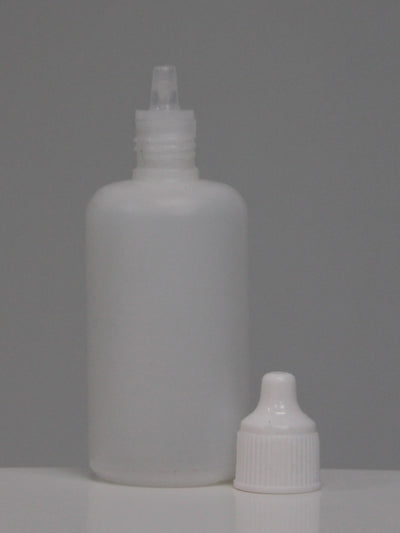
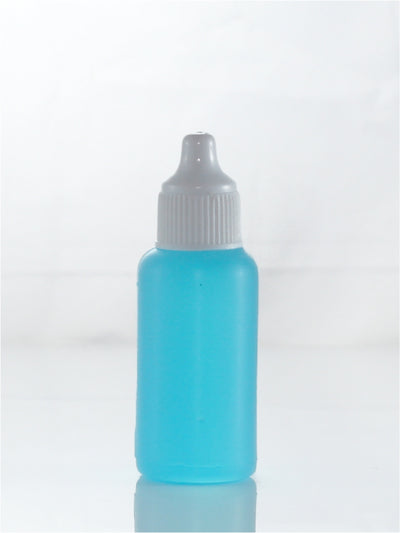
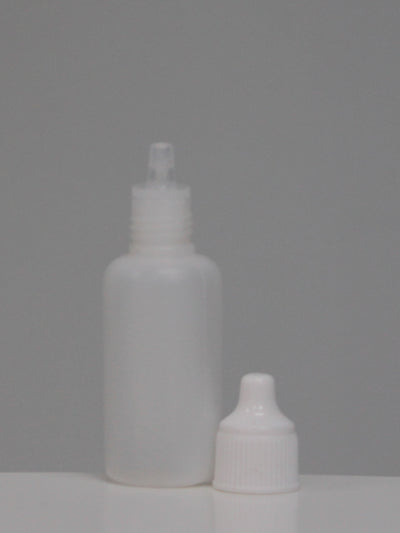
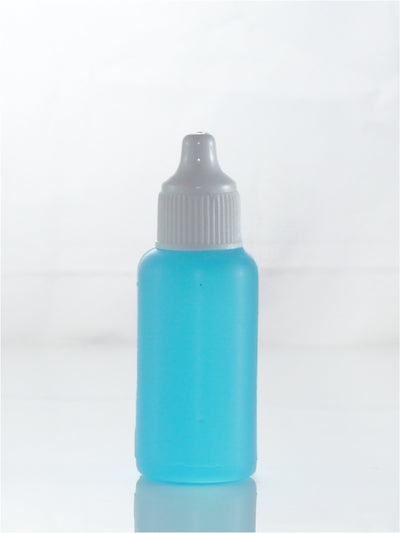
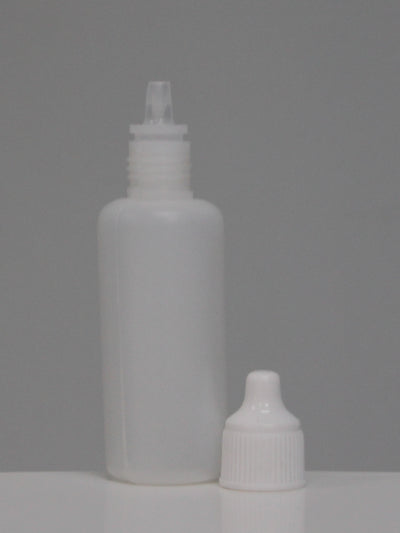
Among the various sizes, the 30ml and 50ml bottles stand out as the workhorses of the industry. The 30ml Eye Dropper Bottle with Insert & Dome Lid offers a perfect balance for many consumer goods, representing the standard size for a month's supply of a daily-use serum or a standard bottle of e-liquid. It provides a substantial feel without being bulky. The 50ml Eye Dropper Bottle with Insert & Dome Lid offers a step up in value, appealing to loyal customers who want a larger supply of their favourite product. For businesses, these two sizes often hit the sweet spot in terms of production efficiency, labelling space, and consumer appeal.
Matching Neck Finish to Closure Type
This is a technical but critical detail that procurement and operations teams must get right. The "neck finish" refers to the dimensions of the bottle's opening, including the outer thread diameter and thread style. It's usually designated by a two-number code, like 20/410. The first number is the diameter in millimetres, and the second refers to the thread type. For a leak-proof seal, the neck finish of the bottle must perfectly match the closure. Mismatching these can lead to product leakage, contamination, and complete packaging failure. When sourcing bottles and caps, always ensure they are designed to work together as a system.
Essential Closure and Safety Features
The closure system does more than just seal the bottle: it's a critical component for product safety, regulatory compliance, and consumer confidence. The right cap can protect children, assure customers that the product is untampered, and ensure the dispensing mechanism works flawlessly. Neglecting these features can have serious consequences for your brand and your liability.
Standard Screw Caps vs. Child-Resistant Closures
- Standard Screw Caps: These are the simplest form of closure, typically a dome or flat-topped cap that screws on to seal the bottle. They are suitable for products that do not pose a safety risk and are not regulated, such as some cosmetics, food flavourings, or industrial products intended for professional use only.
- Child-Resistant Closures (CRCs): CRCs are a legal requirement for a wide range of products, including most pharmaceuticals, over-the-counter drugs, nicotine-containing e-liquids, and certain harsh chemicals. These caps require two distinct motions to open (e.g., "push down and turn"), making them difficult for young children to operate. Implementing CRCs is non-negotiable for compliance in these regulated industries.
Ensuring Product Integrity with Tamper-Evident Seals
How can your customer be certain the product they've purchased is exactly as it left your facility? This is the role of a tamper-evident (TE) seal. The most common form on dropper bottles is a small plastic ring connected to the base of the cap by frangible bridges. When the cap is unscrewed for the first time, these bridges break, separating the ring from the cap and leaving it on the neck of the bottle. This provides a clear, irreversible visual indication that the bottle has been opened. A TE seal builds immense consumer trust, especially for ingestible products, pharmaceuticals, and cosmetics.
The Function of Dropper Inserts and Dome Lids
The system used in many plastic eye dropper bottles relies on the interplay between the insert and the lid. The dropper insert, which creates the dispensing nozzle, is pressed into the neck of the bottle after filling. The dome lid then screws on over it. The inside of the cap is designed to press down on the insert, creating a tight seal around the orifice and the rim of the bottle neck. This two-part system is highly effective at preventing leaks and protecting the product from airborne contaminants, ensuring that the contents remain stable and sterile until use.
Sourcing Dropper Bottles for Your Business
Selecting the right bottle is half the battle: partnering with the right supplier is the other half. For any business, but especially for SMEs and startups, your packaging supplier is a critical part of your production chain. An unreliable supplier can lead to costly delays, quality control nightmares, and damage to your brand's reputation.
Evaluating Supplier Reliability and Quality Control
When assessing a potential supplier for your dropper bottles, you need to look beyond the per-unit price. A reliable partner demonstrates quality through consistency. Ask about their quality control processes. Do they adhere to manufacturing standards like ISO 9001? Can they provide a certificate of conformance or material safety data sheets for their products? A reputable supplier will be transparent about their manufacturing processes and have robust systems in place to ensure that every batch of bottles meets the agreed-upon specifications. Consistency in material, dimensions, and weight is crucial for automated filling and capping lines, where even minor deviations can halt production.
The Importance of Consistent Supply and Lead Times
Your production schedule depends on having the right components available at the right time. Long and unpredictable lead times from overseas suppliers can create massive bottlenecks, forcing you to either hold excessive amounts of expensive inventory or risk running out of stock. Partnering with a local supplier who holds stock can be a game-changer. It dramatically reduces lead times, simplifies logistics, and allows for more agile inventory management. When your supplier is in the same country, you can respond faster to changes in demand, reduce your shipping costs, and have greater confidence that your supply of essential eye dropper bottles won't be interrupted by international shipping delays or customs issues. This reliability is the foundation of an efficient and resilient operation.
Conclusion
Choosing the right commercial dropper bottle is a strategic business decision that impacts product integrity, user safety, and brand perception. As we've seen, the ideal solution goes far beyond simple aesthetics. It demands a careful consideration of material science, whether the flexibility of LDPE, the durability of HDPE, or the clarity of PET is best for your product. It requires matching the bottle's capacity and neck finish to your operational needs and selecting the essential safety features, like child-resistant and tamper-evident closures, that your industry regulations and customers demand. Ultimately, the goal is to source a fit-for-purpose bottle with dropper that performs reliably every time. The final, critical piece of the puzzle is partnering with a supplier who understands these technical needs and can provide a consistent, high-quality supply chain you can build your business on. By focusing on these core principles, you can ensure your product is not only well-packaged but is also set up for success in a competitive market.
Frequently Asked Questions about Dropper Bottles
What plastic is best for eye drop bottles?
Low-Density Polyethylene (LDPE) is the industry standard for eye drop bottles. Its excellent flexibility allows users to easily squeeze the bottle for a controlled, precise dose. LDPE is also highly durable and has good chemical resistance, ensuring the safety and integrity of the ophthalmic solution inside.
How does a plastic dropper bottle control the dosage?
A plastic dropper bottle controls dosage via a precision-moulded nozzle insert. When the flexible bottle is squeezed, pressure forces the liquid through the nozzle's narrow opening. This orifice is engineered to dispense a consistent and accurate drop volume, which is vital for the efficacy of medical treatments.
Why are tamper-evident seals important for dropper bottles?
Tamper-evident seals, typically a ring that detaches from the cap upon first opening, provide a clear visual indicator that the product has not been tampered with. This feature is crucial for building consumer trust and guaranteeing the sterility and integrity of the contents, especially for pharmaceutical products.
Can you reuse plastic eye drop bottles?
It is strongly advised not to reuse plastic eye drop bottles. Refilling a used bottle can introduce bacteria and other contaminants, compromising the sterile solution and creating a high risk of serious eye infections. For your safety, always use a new bottle and discard it after use.
How should you store eye drop bottles?
Most eye drops should be stored at room temperature, away from direct sunlight and heat, unless the packaging advises refrigeration. Always check the label for specific instructions. Keeping the cap tightly closed prevents contamination and helps maintain the solution's effectiveness until its expiry date.
Read less