

- Home
- Honey jars and containers
Honey Jars and Containers
Filter and sort
4 products
4 products
-
Featured
-
Most relevant
-
Best selling
-
Alphabetically, A-Z
-
Alphabetically, Z-A
-
Price, low to high
-
Price, high to low
-
Date, old to new
-
Date, new to old
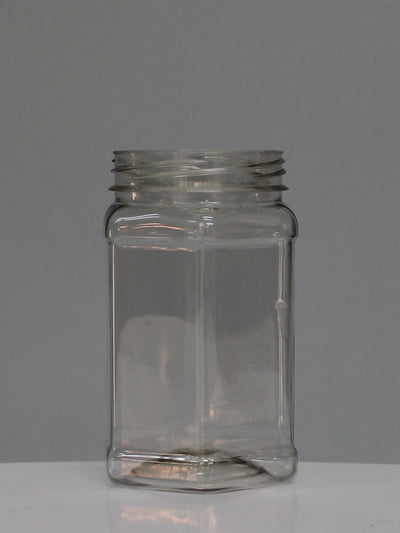

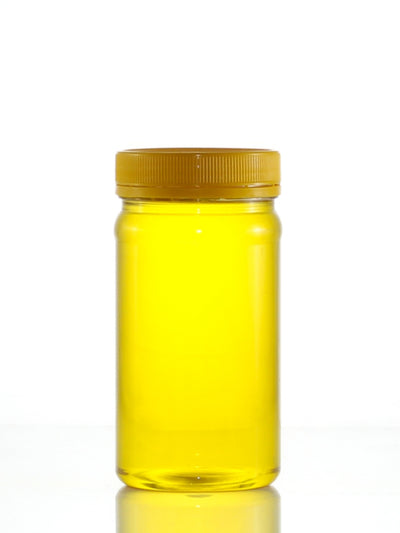
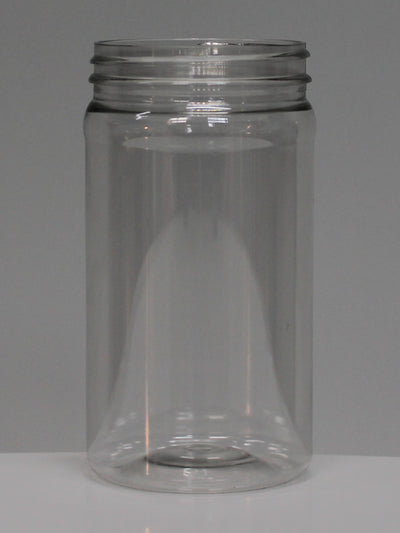
The Ultimate Business Guide To Choosing Honey Jars And Bottles
For any honey producer, from an artisanal startup to a large-scale distributor, the product itself is only half the story. The other half, the part that protects your liquid gold, communicates its quality on a Read more...
The Ultimate Business Guide To Choosing Honey Jars And Bottles
For any honey producer, from an artisanal startup to a large-scale distributor, the product itself is only half the story. The other half, the part that protects your liquid gold, communicates its quality on a crowded shelf, and ensures a positive customer experience, is the packaging. Choosing the right honey jar or bottle is far more than an aesthetic choice: it's a critical business decision with direct impacts on your brand perception, operational efficiency, and bottom line. In this guide, we'll break down the essential factors your business needs to consider, moving beyond simple appearances to focus on the practical, functional, and financial aspects of honey packaging. We understand that for business buyers, reliability and fitness for purpose are paramount. Let's explore how to select packaging that not only showcases your honey but also strengthens your business.
Key Takeaways
- Choosing the right honey jar is a critical business decision that directly impacts brand perception, shipping costs, and product safety.
- Modern PET plastic is a shatterproof and lightweight alternative to glass, reducing product loss during transit and lowering freight expenses.
- The shape of your packaging influences consumer choice; squeezy bottles offer convenience while hexagonal jars convey a premium, artisanal quality.
- Offering various honey jar sizes, such as smaller 250ml jars for gifts and standard 500g jars for retail, helps target different market segments.
- A secure, tamper-evident lid is essential for preserving the honey's freshness, ensuring safety, and building consumer trust.
- Partnering with a reliable packaging supplier is crucial for maintaining consistent quality and stock availability, preventing costly production delays.
Why Your Choice Of Honey Jar Impacts Brand Success
Before a customer ever tastes your honey, they interact with its container. This first impression is crucial. The right packaging silently communicates the value and quality of the product inside. A flimsy, poorly sealed container might suggest a low-quality product, regardless of how pure the honey is. Conversely, a sturdy, well-designed honey jar conveys professionalism and trustworthiness.
But brand success goes deeper than shelf appeal. Think about the entire lifecycle of your product. Your choice of packaging directly affects:
- Logistics and Shipping: Heavier, more fragile materials like glass increase shipping costs and the risk of breakage, leading to lost stock and revenue. Lighter, more durable alternatives can significantly reduce these operational headaches.
- Consumer Experience: Is the jar easy to open? Can the honey be dispensed without creating a sticky mess? A frustrating user experience can deter repeat purchases. A thoughtfully designed honey bottle, for instance, can become a favourite in a household for its sheer convenience.
- Product Safety and Integrity: The primary function of any packaging is to protect its contents. An effective honey container must provide an airtight seal to prevent contamination and preserve the honey's freshness, flavour, and viscosity from the bottling line to the customer's pantry.
Ultimately, your packaging is a key brand ambassador. It works for you during shipping, on the retail shelf, and in the consumer's home. Choosing wisely is an investment in your brand's long-term reputation and profitability.
Material Matters: Selecting The Best Packaging For Honey
The material you choose for your honey packaging is arguably the most important decision you'll make. It dictates the container's weight, durability, clarity, and cost. While glass has a long tradition in food packaging, modern materials offer significant advantages for today's businesses.
The Benefits Of Modern PET Honey Bottles
Polyethylene terephthalate, or PET, has become a go-to material for food and beverage packaging, and for good reason. For honey producers, PET offers a powerful combination of benefits that directly address key business concerns.
First and foremost is its durability. PET is virtually shatterproof. This resilience drastically reduces the risk of product loss during transportation and handling, a significant cost saving for any business. Unlike glass, which can lead to costly write-offs from a single dropped pallet, PET containers absorb impacts.
Second is its light weight. PET is significantly lighter than glass, which translates directly into lower shipping costs, especially for bulk orders and national distribution. This allows you to either improve your profit margins or pass savings on to your customers.
Finally, PET provides excellent clarity. Modern PET honey bottles can rival the transparency of glass, allowing the natural colour and texture of your honey to shine through. This visual appeal is critical on a retail shelf, as it lets the quality of the product speak for itself.
Comparing PET To Traditional Glass Jars
While glass has a classic, premium feel, it comes with practical and financial drawbacks that businesses must weigh carefully. As mentioned, its weight and fragility are major concerns in a modern supply chain. A broken glass jar not only results in lost product but can also create a safety hazard and contaminate other items in a shipment.
Here's a direct comparison for a procurement or operations manager:
| Feature | PET Plastic Jars | Glass Jars |
|---|---|---|
| Durability | Shatter-resistant, reducing breakage and loss. | Fragile, high risk of breakage. |
| Weight | Lightweight, leading to lower freight costs. | Heavy, increasing shipping expenses. |
| Cost | Generally more cost-effective to produce and transport. | Higher material and shipping costs. |
| Safety | Safer in production environments and homes. | Breakage can cause injury and contamination. |
| Clarity | High, glass-like transparency. | Excellent clarity. |
| Recyclability | Widely recycled in South Africa. | Recyclable, but energy-intensive. |
For most businesses, especially those looking to scale, PET offers a more pragmatic, cost-effective, and resilient solution without compromising on the visual presentation of the product.
Exploring Popular Shapes And Designs For Honey Jars
Once you've settled on a material, the next step is to choose a shape and design that align with your product, brand, and target consumer. The shape of your honey container influences not just its look, but also its functionality and how it's perceived by customers.
The Classic Appeal Of Squeezy Honey Bottles
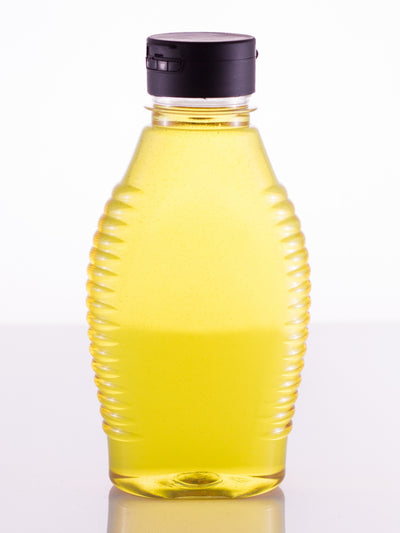
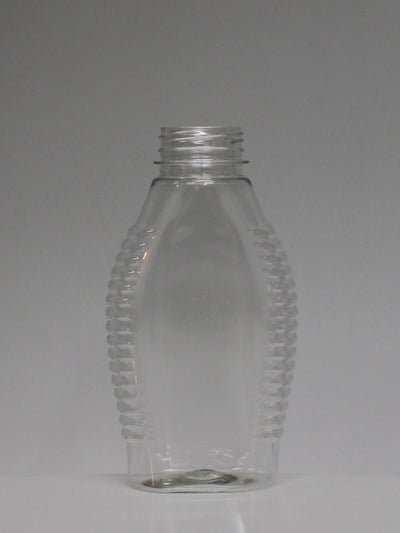
The squeezy honey bottle is a triumph of functional design. Its primary benefit is convenience. It allows for clean, controlled dispensing, making it a favourite for families, restaurants, and anyone who uses honey regularly on toast, in tea, or over cereal. The no-mess application is a powerful selling point that can make your product the preferred choice in a household.
From a business perspective, squeezy bottles are lightweight and easy to handle. They often come with pre-fitted nozzle caps that simplify the filling and capping process. While sometimes perceived as less 'premium' than a jar, their practicality offers a distinct market advantage, particularly for everyday honey varieties. They are a reliable and user-friendly option that meets a clear consumer need for ease of use.
The Premium Look Of Hexagonal PET Jars
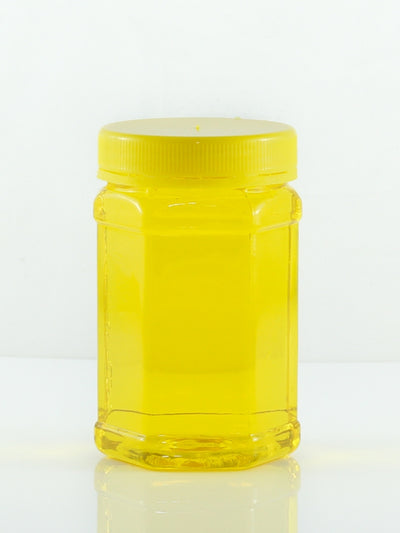
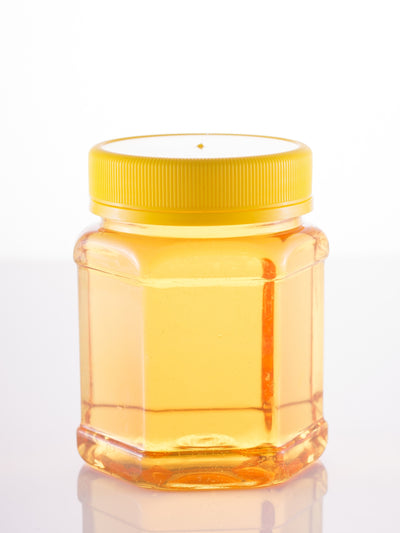
The hexagonal jar is an iconic shape in the world of honey. It immediately evokes images of honeycomb, creating a powerful, subconscious link to the product's natural origins. This shape has long been associated with premium, artisanal honey, and using it can instantly elevate your brand's perceived value.
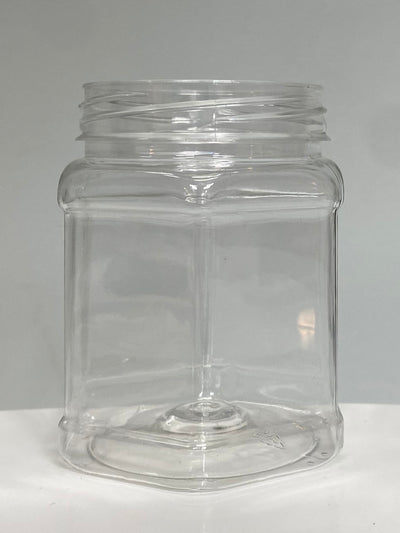
Historically, these were glass jars. But, modern 350ml Hexagonal PET Jar options provide this premium aesthetic with all the practical benefits of PET. They are lightweight, shatterproof, and offer brilliant clarity. The flat panels of the hexagon are perfect for labelling, providing a clean, defined space for your branding. Choosing a hexagonal PET jar allows you to tap into the traditional, high-end feel of this classic shape while benefiting from the superior performance and cost-effectiveness of a modern material. It's the ideal choice for producers of specialty, raw, or gourmet honey who want their packaging to reflect the superior quality of the product within.
Sizing Your Honey Jars For The Right Market
Choosing the right size for your honey containers is a strategic decision that depends on your target market, pricing strategy, and product range. Offering different sizes can help you capture various market segments, from impulse buyers to bulk purchasers. As with shape and material, the focus should be on what makes the most sense for your business operations and your customers.
Versatility In Action: The 250ml Hexagonal PET Jar
A smaller container like the 250ml Hexagonal PET Jar offers incredible versatility. This size is perfect for several applications:
- Gourmet and Specialty Honey: For high-value products like infused honey or rare single-origin varieties, a smaller jar feels more appropriate and keeps the retail price point accessible.
- Gift Sets and Hampers: The 250ml size is ideal for inclusion in corporate gifts, tourist souvenirs, or curated food hampers.
- Tester or Trial Sizes: It can serve as an excellent entry point for new customers who want to try your product before committing to a larger size.
- Hospitality and Catering: This size is perfect for use in hotels, guesthouses, and restaurants for single-table servings.
By offering a smaller SKU, you open up new sales channels and marketing opportunities that may not be available with a single, larger size.
Scaling Up: The 350ml Honey PET Jar And Its Uses
For your core product line, a more standard retail size is essential. The 350ml Honey PET Jar (often corresponding to a 500g honey weight) is a popular choice for supermarket shelves and farm stalls. It represents good value for the everyday consumer and is a familiar size that fits comfortably in a home pantry.
This size is the workhorse of many honey businesses. It's large enough to be a family's regular purchase but small enough to be manageable and easy to store. When planning your production, this standard size will likely be your highest volume item. Ensuring you have a reliable supply of a high-quality, fit-for-purpose 350ml/500g jar is fundamental to maintaining consistent sales and meeting market demand. It's the cornerstone of a successful retail honey brand.
Choosing The Right Lids And Closures
The lid is more than just a cover: it's a critical component that ensures product safety, preserves freshness, and completes the functional design of your packaging. An ill-fitting or low-quality closure can lead to leaks, spoilage, and customer complaints, all of which damage your brand and your bottom line.
When selecting closures for your honey jars, here are the key considerations:
- Seal Integrity: The primary job of the lid is to create an airtight seal. This prevents moisture and contaminants from entering and protects the honey's natural properties. For PET jars, a standard screw-on cap with a proper liner is essential. Liners, such as induction heat seals or pressure-sensitive liners, can provide an additional layer of tamper-evidence and protection.
- Functionality: The type of closure should match the container. For squeezy honey bottles, a flip-top or nozzle cap is non-negotiable for controlled, mess-free dispensing. For wide-mouth jars, a simple, easy-to-grip screw cap is most effective.
- Tamper-Evident Features: For retail products, tamper-evidence is a must. This assures consumers that the product has not been opened or interfered with since it left your facility. This can be achieved through induction-sealed liners that must be peeled off or with tamper-evident rings on the cap itself that break upon first opening.
- Material and Colour: Lids are typically made from durable plastics like polypropylene (PP). They are available in standard colours, most commonly black, white, or yellow for honey products. Choosing a colour that complements your label and brand design helps create a cohesive and professional look.
Practical Considerations For Bottling And Labelling
Your choice of honey packaging has a direct impact on the efficiency of your production line. As a business owner or operations manager, you need to consider how a container will perform during the filling, capping, and labelling stages. Selecting packaging that is easy to work with can save significant time, reduce labour costs, and minimise production bottlenecks.
For the bottling process, the width of the container's opening, or 'neck finish', is a key factor. A wider mouth on a honey jar makes filling faster and cleaner, reducing spillage and waste. This is especially important when dealing with thick, viscous honey. The stability of the container is also important: a bottle with a solid, stable base is less likely to tip over on a conveyor belt.
When it comes to labelling, the shape of the container is critical. Smooth, flat surfaces are ideal for label application, whether done by hand or by machine. Wraparound labels work well on round jars, while hexagonal jars offer multiple flat panels for front, back, and side labels. Avoid complex curves or heavily textured surfaces, as these can cause labels to peel, wrinkle, or adhere improperly. A clean, smoothly applied label is essential for a professional finish. Before committing to a large order of jars, always test your label design and application method on a sample to ensure a perfect fit.
Partnering With A Reliable Packaging Supplier
Your packaging is a raw material, just like your honey. And just as you need a consistent source for your core product, you need a dependable partner for your packaging. An unreliable supplier can bring your entire production line to a halt, leading to missed orders and damaged customer relationships. For South African businesses, partnering with a local, reputable supplier is a strategic advantage.
What should you look for in a packaging partner?
- Stock Availability: The best jar in the world is useless if it's out of stock when you need it. A good supplier maintains consistent inventory levels of their core products, ensuring you can get what you need, when you need it. This is crucial for managing your own production schedules.
- Consistent Quality: Every jar and every lid in a batch must be the same. Inconsistent dimensions, colours, or material quality can disrupt automated processes and damage your brand's reputation. Look for a supplier with strong quality control measures.
- Fast and Reliable Delivery: Long lead times can kill a business's agility. A local supplier who can offer quick turnaround and reliable delivery across South Africa helps you respond faster to market demand and manage your inventory more effectively.
- Expertise and Support: Your supplier should be more than just a seller. They should be a partner who understands the technical requirements of your products. Whether you need advice on the right closure or information on material compatibility, their expertise is a valuable resource.
When you're sourcing honey jars, don't just look at the product: evaluate the supplier behind it. A strong partnership is the foundation of a resilient supply chain.
Conclusion
As we've seen, selecting the right honey jar or bottle is a multifaceted decision that extends far beyond the shelf. It's an integral part of your product development, branding, and operational strategy. By focusing on the practical advantages of modern materials like PET, you can reduce costs, minimise product loss, and improve efficiency. By strategically choosing shapes and sizes like the versatile hexagonal jar or the convenient squeezy bottle, you can effectively target different market segments and enhance the consumer experience.
Ultimately, the goal is to find a packaging solution that is fit-for-purpose, one that protects your product, represents your brand accurately, and works seamlessly with your production processes. This ensures that the quality you pour into your honey is matched by the quality of the container that holds it. Making a thoughtful, well-informed choice on packaging is one of the most important investments you can make in the success and growth of your honey business.
Frequently Asked Questions about Honey Jars
Why is choosing the right honey jar important for a brand?
The right honey jar is a critical brand ambassador. It creates the first customer impression, communicates product quality, and protects the honey's integrity with an airtight seal. A well-chosen container also improves user experience and can reduce shipping costs, directly impacting brand perception and profitability.
What are the benefits of using PET plastic for honey jars instead of glass?
PET honey jars are shatterproof, significantly reducing product loss during transport compared to fragile glass. They are also much lighter, which lowers shipping costs. Modern PET offers excellent, glass-like clarity, showcasing the honey's quality without the operational risks and higher expenses associated with glass packaging.
What is the advantage of a hexagonal honey jar?
The hexagonal honey jar shape is iconic, creating a subconscious link to honeycombs and giving the product a premium, artisanal feel. This design can elevate a brand's perceived value. Its flat panels also provide an ideal surface for clean, professional labelling, enhancing its overall shelf appeal.
How should I store honey to keep it fresh?
Store honey in a tightly sealed container, such as its original jar, at a consistent room temperature. A cool, dark pantry is ideal. Avoid refrigerating honey, as the cold temperature accelerates crystallisation. Proper storage ensures your honey maintains its flavour, viscosity, and overall quality for longer.
Can honey jars be reused?
Yes, honey jars can be safely reused after being thoroughly cleaned and sanitised with hot, soapy water to remove all residue. They are excellent for storing other pantry items like spices, seeds, or homemade jams, or for organising small household items, making them a sustainable packaging choice.
Read less