

Packaging Suppliers South Africa
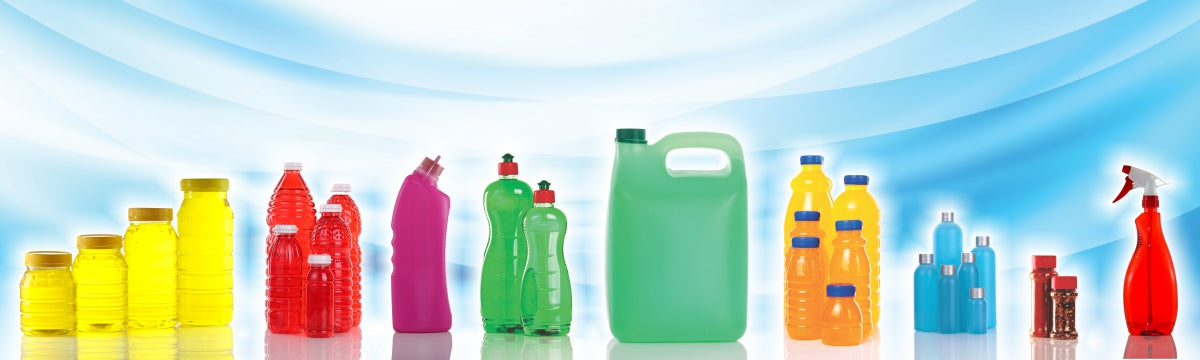
Trust The Top Packaging Suppliers in Pretoria - WhatsApp Us For Any Questions



BEST SELLERS
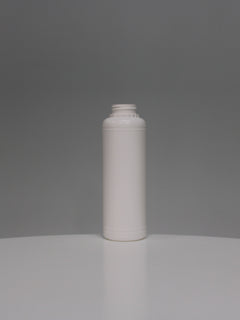
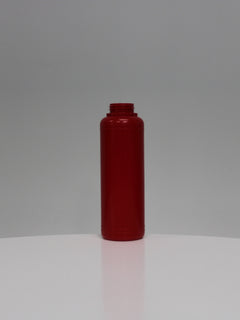
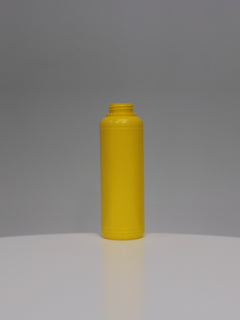
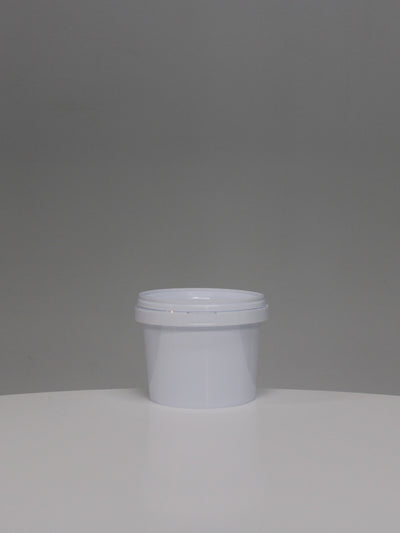
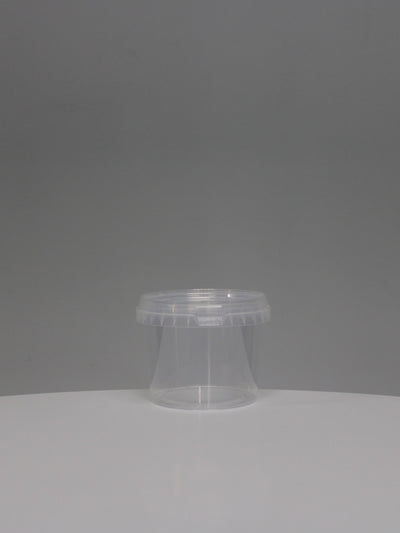
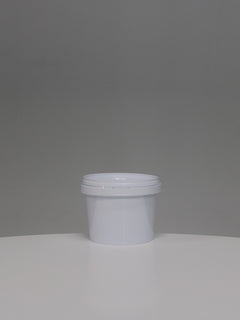
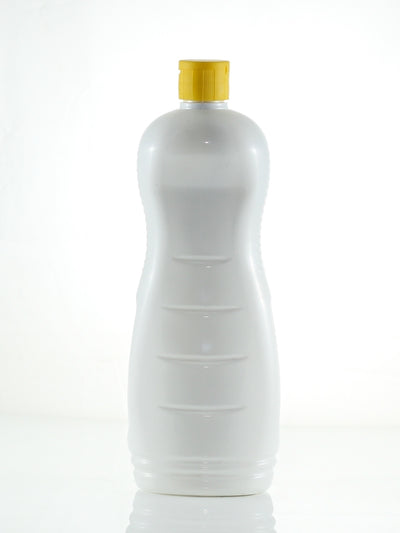
VISIT US
OUR SHOWROOM
Located in Industria West, Johannesburg our showroom offers the opportunity to view our full range of products in person. Our friendly sales staff are available to assist you with any questions, quotations and samples you require.
Mondays - Thursdays: 08:00 - 16:30
Fridays: 08:00 - 14:30
Saturdays, Sundays & Public Holidays: Closed
PackNet Articles

Buy Spray Bottles Wholesale in South Africa: The 2026 Sourcing Guide for Smart Buyers
From hospitality groups in Cape Town to panel-beating workshops in Gauteng, demand for reliable spray packaging has quietly exploded. If you're looking to buy spray bottles wholesale in South Africa, 2026 is shaping up to be the year of smarter sourcing, fewer middlemen, better resin choices, and trigger sprayers engineered to survive harsh local chemicals. We've watched the market shift from generic imports toward locally stocked, technically specified components, and the buyers winning right now are the ones who understand the difference between an EPDM gasket and a Viton one before they hit "order".
This guide walks you through what we believe matters most in 2026: bottle types, industries driving demand, supplier vetting, customization, logistics across SA, and the cost levers that actually move your unit price. Let's get into it.
Why South African Businesses Are Switching to Wholesale Spray Bottle Suppliers
The shift toward wholesale procurement isn't only about price, though saving 30–55% per unit on plastic spray bottles compared to retail certainly helps. It's about supply continuity. Over the past two years, load-shedding, port congestion at Durban, and rand volatility have made just-in-time retail buying risky for cleaning companies, salons, and contract fillers.
When we talk to procurement managers, three reasons keep surfacing:
- Predictable stock holding. Buying pallets of empty spray bottles means you're not scrambling when a corporate cleaning contract suddenly doubles in volume.
- Technical consistency. Wholesale suppliers typically run the same mould, the same resin batch, and the same trigger sprayer spec, your fill lines don't need recalibration every order.
- Direct manufacturer relationships. Cutting out the reseller markup gives you room to negotiate on closures, dip tubes, and even custom neck finishes.
For any business filling, blending, or reselling liquids, wholesale isn't a luxury anymore. It's the default.
Types of Plastic Spray Bottles Available on the Wholesale Market
Not all plastic spray bottles do the same job, and ordering the wrong style at volume is an expensive mistake. The South African wholesale market broadly breaks into two engineering families: fine mist atomizers and trigger sprayers. Each has its own resin pairings, neck finishes (24/410 and 28/410 dominate locally), and viscosity tolerances.
Mist Spray vs. Stream and Trigger Spray Bottles
A mist spray bottle uses a small finger pump with a tight micron orifice, usually delivering 0.1ml to 0.14ml per actuation. The droplets are micro-sized, perfect for toners, hair products, linen sprays, and salon disinfectants where you want even coverage without saturation. These are almost always paired with clear PET for shelf appeal.
A trigger sprayer, on the other hand, is built for output. Adjustable nozzles toggle between fine spray, jet stream, and off-lock positions, with discharge rates around 0.9–1.3ml per pull. They handle thicker chemistry, degreasers, sanitizers, glass cleaners, and rely on stainless steel internal springs for repeat actuation under load. When you're matching to viscous formulas, the trigger's dip tube diameter and gasket material (Viton for acids, EPDM for alkaline) become more important than the bottle itself. Pairing the right trigger and closure to your neck finish is where most fitment problems are solved before they start.
Empty Spray Bottle Sizes, Materials, and Common Use Cases
The most-requested empty spray bottle sizes in SA wholesale are 100ml, 250ml, 500ml, 750ml, and 1 litre. Smaller formats (30–100ml) typically run in PET for cosmetics and pharmacy. The 500ml and 750ml range, the workhorse of the cleaning industry, splits between PET (clear, lighter weight) and HDPE (opaque, chemical-resistant). For aggressive automotive and industrial chemicals, HDPE is non-negotiable: PET will craze and fail under solvent attack.

Key Industries That Rely on Bulk Spray Mist Bottles
Spray packaging cuts across almost every sector we supply, but a few industries consume bulk spray mist bottles at serious scale:
- Cleaning & janitorial services, easily the biggest segment. Contract cleaners buy 500ml and 750ml trigger bottles by the thousand for decanting concentrated chemicals on-site.
- Hospitality & accommodation, hotels, lodges, and Airbnb operators standardize on branded mist bottles for amenity sprays, linen refreshers, and in-room sanitizers.
- Cosmetics & personal care, toners, facial mists, hair sprays, and tanning products all rely on fine atomizers in PET.
- Agriculture & horticulture, nurseries and pest-control operators use heavier-duty trigger bottles in HDPE for foliar feeds and insecticides.
- Automotive aftermarket, tyre dressings, interior cleaners, and waterless wash products demand solvent-resistant resin and Viton seals.
- Healthcare & veterinary, wound sprays, antiseptics, and surface disinfectants, often in smaller 100–250ml formats.
Understanding where your product fits in this list tells you a lot about which spray mist bottle spec you actually need.
What to Look For When Choosing a Wholesale Supplier in South Africa
Picking a supplier on price alone is how you end up with cracked necks, leaking triggers, and a warehouse full of unusable stock. We always recommend a short vetting checklist before signing any purchase order: local stock holding (not just "indent on request"), in-house mould ownership versus imported components, technical data sheets for each resin, and a sample policy that lets you pressure-test the trigger with your actual formula.
Ask specifically about the internal spring material (stainless beats plated steel every time), the gasket compound, and whether they can supply matching closures from the same neck finish family. A supplier that can ship you a bottle, a trigger, a flip-top, and a tamper-evident cap from one warehouse is worth more than three cheaper ones.
Quality Standards, MOQs, and Pricing Benchmarks to Expect
Local MOQs for stock plastic spray bottles typically start at one carton (often 100–250 units depending on size) and scale to pallet pricing at 1,000–5,000 units. Custom-colored or branded runs usually require 10,000+ units to justify mould setup. Expect food-contact grade resin to carry SABS or FDA equivalence documentation, and don't accept "trust us" answers, paperwork should be on file.
Customization Options: Labels, Colors, and Branded Plastic Spray Bottles
Private-label brands are driving a lot of the custom volume we see right now. The most common customizations on plastic spray bottles include:
- In-mould color matching, Pantone-matched HDPE or PP for brand consistency. Minimums are higher but the finish is far more durable than spray-painting.
- Screen printing and pad printing, cost-effective for one- to four-color logos directly onto the bottle.
- Shrink-sleeve labelling, full 360° wraparound graphics, ideal for premium cosmetics and retail-shelf products.
- Custom trigger and closure colors, a small detail that lifts perceived value significantly.
- Tamper-evident bands and induction seals, important for pharma and any product moving through retail channels.
Lead times for branded runs typically sit at 4–8 weeks from artwork approval, so plan campaigns backward from your launch date. If you're testing a new SKU, start with stock bottles and a printed label, you can always migrate to fully branded tooling once volumes justify it.
Shipping, Lead Times, and Nationwide Delivery Considerations
South Africa's geography makes logistics a real cost line, not an afterthought. Bulk spray bottles are voluminous but light, which means you're paying for cubic meters, not kilograms. A few practical points we share with new buyers:
- Palletization matters. Nesting designs and stackable shoulders can fit 20–30% more units per pallet, dropping your effective freight cost per bottle.
- Regional hubs. Suppliers with stock in Johannesburg and Cape Town can usually deliver within 2–5 working days nationwide. Single-warehouse suppliers often add a week to Western Cape or KZN deliveries.
- Trigger assembly. Pre-assembled bottles ship at lower density than separately packed bottles + triggers. Some buyers save by ordering components loose and assembling in-house.
- Customs and import lead times. If your supplier is indenting from China, expect 10–14 weeks door-to-door, plus rand exposure. Locally manufactured stock removes that risk entirely.
Always confirm whether quoted lead times are ex-works or delivered, and whether after-hours offloading is included.
Cost-Saving Tips for Buying Empty Spray Bottles in Bulk
Unit price is only one lever. Here's where smart buyers actually find savings when they buy spray bottles wholesale:
- Consolidate SKUs. Standardizing on two or three bottle sizes across your range cuts mould setup costs and qualifies you for bigger volume tiers.
- Match neck finishes. Using a single neck size (e.g., 28/410) across multiple bottle shapes means one trigger spec covers your whole line, fewer stock-outs, simpler reordering.
- Order closures and bottles together. Bundled pricing is almost always better than mixing suppliers, plus you eliminate fitment risk.
- Buy on annual forecast, call off monthly. Many wholesalers will hold stock against a signed forecast, giving you pallet pricing on monthly drops.
- Right-size your dip tube. Pre-cut, angled dip tubes prevent product waste at the bottom of the bottle, that's literal product margin recovered on every fill.
- Avoid over-engineering. A 0.7mm wall PET bottle works fine for water-based cleaners: specifying 1.2mm "just in case" inflates resin cost across thousands of units.
Small decisions, repeated across volume, are where the real margin lives. Browse the full range of wholesale spray bottles to match the right format and trigger to your formula.
Frequently Asked Questions About Buying Spray Bottles Wholesale in South Africa
What are the main advantages of buying spray bottles wholesale in South Africa?
Wholesale spray bottle purchasing offers 30–55% savings per unit, predictable stock holding, technical consistency across batches, and direct manufacturer relationships that eliminate reseller markups. This is especially critical given local supply chain challenges like load-shedding and port congestion.
What's the difference between mist spray bottles and trigger spray bottles?
Mist spray bottles use a small pump delivering 0.1–0.14ml per actuation, ideal for fine coverage in cosmetics and hair products. Trigger sprayers output 0.9–1.3ml per pull with adjustable nozzles, better for thick chemicals, degreasers, and sanitizers that require stainless steel springs and Viton or EPDM gaskets.
Which plastic resin should I choose for chemical-resistant spray bottles?
PET works well for water-based cleaners and cosmetics, but HDPE is non-negotiable for aggressive solvents and automotive chemicals as PET will craze and fail under solvent attack. Gasket material also matters: use Viton for acids and EPDM for alkaline formulas.
What minimum order quantities should I expect when buying spray bottles wholesale?
Stock plastic spray bottles typically start at one carton (100–250 units) with pallet pricing at 1,000–5,000 units. Custom-colored or branded runs usually require 10,000+ units to justify mould setup costs and 4–8 week lead times.
How can I reduce the per-unit cost of wholesale spray bottles?
Consolidate to two or three bottle sizes, standardize neck finishes (28/410), bundle closures and bottles with one supplier, order on annual forecast with monthly call-offs, use pre-cut dip tubes, and avoid over-engineering wall thickness for your specific chemistry.
Which industries in South Africa use the most bulk spray bottles?
Cleaning and janitorial services lead demand, followed by hospitality (hotel amenities), cosmetics and personal care (mists and sprays), agriculture (foliar feeds), automotive aftermarket (tyre dressings), and healthcare/veterinary (disinfectants and wound sprays).

Best Plastic Shop: How to Find Top-Quality Plastic Containers and Packaging Near You in 2026
Finding the best plastic shop in 2026 isn't just about picking the closest store with a wall of bottles and buckets. It's about partnering with a supplier who understands resins, regulations, and the realities of running a brand, a kitchen, a clinic, or a cleaning operation. Whether you're sourcing 10ml eye droppers for a serum line or 210L drums for industrial decanting, the right plastic store can save you money, time, and a fair bit of frustration. At PackNet, we've spent years helping customers across South Africa navigate the world of rigid plastic packaging, from PET cosmetic bottles to HDPE jerry cans. In this guide, we'll show you exactly what separates a top-tier plastic shop from a generic plastic store, how to find quality plastic containers near you, and how to balance price, sustainability, and performance without compromise.
What Defines the Best Plastic Shop Today
The best plastic shop in 2026 looks very different from the cluttered hardware aisle of a decade ago. Today's buyers, cosmetic formulators, food producers, pharmacy owners, and household brands, expect technical guidance, not just stock on a shelf. A truly best-in-class plastic store carries a complete range of containers and closures under one roof, advises on polymer compatibility (PET vs HDPE vs PP vs PVC), and understands local compliance frameworks like South Africa's Extended Producer Responsibility (EPR) regulations.
In short, the best plastic shop is part supplier, part consultant. We see customers walk in needing a 500ml bottle and walk out with a properly matched closure, a recommended liner, and clarity on whether their formula will survive six months on the shelf.
Key Qualities to Look For in a Reliable Plastic Store
When choosing a reliable plastic store, look beyond the catalogue. The strongest suppliers tick these boxes:
- Breadth of range: From 10ml droppers to 210L drums, in PET, HDPE, LDPE, PP and PVC.
- Closure expertise: Matching necks, liners, pumps, triggers, and tamper-evident caps.
- Technical literacy: Clear advice on chemical resistance, hot-fill tolerance, and barrier properties.
- Flexible MOQs: Low minimum order quantities for startups, and pallet-scale logistics for enterprise buyers.
- Compliance know-how: Familiarity with food-grade standards, pharmaceutical requirements, and EPR sustainability obligations.
Types of Plastic Products to Expect From a Top Supplier
A top plastic shop should feel like a one-stop outlet. You shouldn't need three suppliers for bottles, lids, and decanting drums. The product mix typically spans cosmetic packaging, food-grade containers, industrial drums, and household cleaning bottles, each made from a resin chosen for its specific job.
Plastic Containers for Home, Storage, and Business Use
Plastic containers serve everything from pantry storage to bulk chemical decanting. Expect to find:
- PET jars and bottles for cosmetics, supplements, and dry foods, clear, lightweight, and recyclable (resin code #1).
- HDPE buckets and jerry cans (2L–25L) for paints, detergents, and lubricants, valued for impact resistance.
- PP tubs and pails suited to hot-fill foods and microwave-safe storage thanks to their higher melt point (~160°C).
- LDPE squeeze bottles for sauces and gels where flexibility matters.
A reliable plastic store stocks these in a range of necks (24/410, 28/410, 38mm, etc.) so closures snap in without custom tooling.
Plastic Packaging Solutions for Retail and Shipping
For retail and shipping, plastic packaging extends beyond the primary container. Think shrink bands, tamper-evident caps, induction seal liners, and trigger sprayers for cleaning ranges. PVC and PET preforms support shrink-sleeve labelling for premium shelf appeal, while sturdy HDPE drums handle B2B logistics. The best suppliers help you pair the right secondary packaging with your container so product survives transit from Johannesburg to Cape Town without leaks or label damage.

How to Find the Best Plastic Containers Near Me
Searching "plastic containers near me" will surface dozens of options, but proximity alone isn't the win. We recommend filtering by three practical criteria:
- Stock availability, Does the supplier actually hold inventory, or are they a middleman quoting 6-week lead times?
- Showroom or sample access, Can you physically inspect a bottle, test a closure, or order a small sample run before committing to a pallet?
- Technical support, Will someone answer the phone when your formula reacts oddly with a PET bottle?
A quick test: ask any plastic store whether their 500ml bottle is suitable for an essential-oil-rich formula. If they answer "yes" without asking about pH, terpene content, or fill temperature, keep looking. Local presence matters for fast restocks and reduced freight, but expertise is what protects your brand. For South African buyers, a regional supplier with a physical showroom and national delivery often hits the sweet spot, close enough to visit, big enough to scale with you.
Comparing Local Plastic Shops vs. Online Plastic Stores
Local plastic shops and online plastic stores each have strengths, and the best choice depends on what you're buying and how often.
Local plastic shops shine when you need to:
- Physically check wall thickness, clarity, or closure fit.
- Pick up urgent stock the same day.
- Discuss a custom decant or labelling problem face-to-face.
Online plastic stores work well when you:
- Know exactly which SKU and neck size you need.
- Want transparent pricing and bulk discount tiers visible upfront.
- Need delivery to a remote location.
The modern best plastic shop usually blends both, a physical branch for walk-ins and consultations, plus a full online catalogue with live stock counts, technical datasheets, and bulk-tier pricing. At PackNet, this hybrid model lets a Durban food producer order a pallet of PP tubs online while a Cape Town indie cosmetics brand visits the showroom to colour-match caps. You get speed, scale, and the human expertise that pure-online sellers often can't offer.
Pricing, Bulk Discounts, and Value for Money
Plastic packaging pricing isn't just about the per-unit cost. Smart buyers look at total landed cost: unit price + closure + freight + breakage risk + MOQ flexibility. A bottle that costs 10% less but ships with a 20% leakage rate is no bargain.
Expect tiered pricing structures from any serious plastic store:
| Order Size | Typical Discount Tier |
|---|---|
| Single units / starter pack | Retail price |
| Full box / sleeve | 10–20% off |
| Full pallet | 25–40% off |
| Multi-pallet / container load | Negotiated wholesale |
For emerging brands, the Zero-Bespoke Tooling Pathway is where real value lives. Instead of investing R150,000+ in a custom mould, pair a standard stock bottle with a custom label and a premium closure (matte-finish cap, wood-look disc-top, or metallised pump). You get shelf appeal at a fraction of the cost. Established enterprises, meanwhile, benefit from pallet-scale logistics and consolidated freight, one delivery, one invoice, one accountable supplier.
Sustainability and Eco-Friendly Plastic Options
Sustainability isn't a marketing add-on anymore, it's a regulatory requirement. Under South Africa's Extended Producer Responsibility (EPR) regulations (in force under the National Environmental Management: Waste Act), brands that place packaging on the market are financially accountable for its end-of-life. That means the plastic shop you choose directly affects your compliance position.
Look for suppliers offering:
- PCR (Post-Consumer Resin) ranges, bottles made with 30%, 50%, or even 100% recycled PET or HDPE without sacrificing structural integrity.
- Mono-material designs, bottle and closure made from the same polymer family for easier recycling.
- Lightweighting, thinner walls that use less resin while meeting strength requirements.
- Clear resin identification codes moulded into the base (per SAPRO guidelines).
For reference on global recyclability standards, the Ellen MacArthur Foundation's Global Commitment sets the benchmark most South African brands now align with. A best-in-class plastic store will guide you through PCR options that satisfy both your sustainability goals and your EPR fee obligations.
Tips for Choosing the Right Plastic Shop for Your Needs
Choosing the right plastic shop comes down to fit, your volumes, your product chemistry, and your growth plans. Before signing off on a supplier, run through this checklist:
- Polymer compatibility check: Confirm the resin (PET, HDPE, PP, PVC, LDPE) suits your formula's pH, oil content, and fill temperature.
- Closure ecosystem: Verify the supplier stocks matching caps, pumps, droppers, and liners, not just bottles.
- MOQ flexibility: Can you start with a single box and scale to pallets without changing supplier?
- Compliance documentation: Ask for food-grade certificates, migration test data, or pharma-grade declarations where relevant.
- EPR & PCR options: Confirm recycled-content availability and resin coding.
- Lead time honesty: A real stockist quotes days: a broker quotes weeks.
- Technical support: You want a name and number, not a generic inbox.
If a plastic store ticks all seven, you've found a partner, not just a vendor. Explore our full range of plastic containers and closures to see how a properly stocked one-stop supplier should look. For deeper material specifications, the PlasticsSA technical resources are a solid independent reference.
Final Thoughts
The best plastic shop in 2026 is the one that treats your packaging as a system, not a SKU. The right partner matches resin to formula, closure to neck, and order size to your cash-flow reality, all while helping you stay ahead of EPR and sustainability expectations. Whether you're a startup ordering your first 100 PET bottles or a manufacturer moving pallets of HDPE drums weekly, choose a plastic store that grows with you. At PackNet, that's exactly the role we aim to play: your one-stop rigid plastic packaging outlet, backed by real expertise and a catalogue built for South African brands.
Frequently Asked Questions About Finding the Best Plastic Shop
What defines the best plastic shop in 2026?
The best plastic shop combines technical expertise with a complete range of rigid plastic containers and closures. It offers polymer compatibility guidance, compliance know-how, flexible MOQs, and acts as a consultant—not just a vendor—helping you match resins to formulas and navigate sustainability regulations.
How do I find quality plastic containers near me?
Filter suppliers by stock availability, showroom access for physical inspection, and technical support quality. Ask specific questions about your product's compatibility with materials. A regional supplier with national delivery often balances local convenience with expertise—visit the showroom before committing to bulk orders.
What's the difference between local plastic shops and online plastic stores?
Local shops let you inspect products, pick up urgently, and solve problems face-to-face. Online stores offer transparent pricing and remote delivery. The best plastic shop blends both: a physical showroom for consultations plus an online catalogue with live stock counts and technical data.
How should I compare pricing and bulk discounts from plastic suppliers?
Look beyond per-unit cost to total landed cost: unit price, closure, freight, breakage risk, and MOQ terms. Typical tiered pricing ranges from 10–20% off full boxes to 25–40% off pallets. For emerging brands, pairing standard stock bottles with custom labels and premium closures offers shelf appeal without expensive tooling investments.
What sustainable plastic options should a reliable plastic shop offer?
Top suppliers provide PCR (Post-Consumer Resin) ranges, mono-material designs for easier recycling, lightweighting options, and clear resin identification codes. Under South Africa's EPR regulations, your plastic shop choice directly affects compliance—look for suppliers who guide you through recycled-content options and sustainability documentation.
What checklist should I use when choosing a plastic shop?
Verify polymer compatibility with your formula, closure ecosystem availability, MOQ flexibility, compliance documentation, EPR and PCR options, honest lead times, and dedicated technical support. A supplier ticking all seven criteria is a true partner—one that treats your packaging as a system, not just a product code.

Plastic Shop Guide: How to Source Containers, Bottles and Packaging in South Africa (2026)
Plastic shop sourcing in South Africa has changed a lot over the last few years, and if you're buying rigid packaging for a brand or production line, the differences between suppliers now matter more than ever. Whether you're filling 500ml shampoo bottles, decanting industrial degreaser into HDPE drums, or hunting down tamper-evident pharma jars, the right plastic shop saves you money, downtime, and a fair number of headaches.
In this guide, we'll walk through what a modern plastic shop should actually offer, how to match materials to your product, what to ask about closures and compliance, and how to read between the lines on MOQs, lead times and logistics. We've written it for procurement managers, founders, and operations teams who need fit-for-purpose packaging, not just pretty pictures.
Key Takeaways
- A modern plastic shop should combine an online catalogue, technical advice, multiple polymer options (PET, HDPE, PP), and transparent MOQs and lead times - not just stock shelves with basic containers.
- Product compatibility is critical: match your contents (water-based, acidic, solvent-heavy) and fill temperature to the correct plastic material before choosing a container shape.
- Sourcing plastic bottles at scale demands attention to neck-finish standards (e.g., 24/410), weight tolerance, batch traceability, and food-contact certification to prevent filling-line jams and regulatory failures.
- The right closure is as important as the bottle itself; test gasket chemical compatibility and dip-tube length with your actual filled product to ensure a secure seal and proper dispensing.
- When buying from a South African plastic shop, prioritise locally-made stock to avoid import delays, verify SANS and Department of Health compliance, and plan buffer inventory around load-shedding and fuel-cost fluctuations.
- Custom moulds and bespoke colours carry MOQs of 5,000–50,000 units with lead times of 4–12 weeks, so always confirm written quotes covering unit price, packaging configuration, lead time and payment terms before commitment.
What to Expect From a Modern Plastic Shop
A modern plastic shop is no longer just a warehouse with shelves of bottles and jars. It's a sourcing partner. The good ones combine an online catalogue with technical advice, samples on request, and stock that's actually available when the website says it is.
At minimum, we'd expect a credible plastic store to offer:
- A wide, filterable range across PET, HDPE, PP and PVC formats
- Clear specs (neck size, capacity, weight, material grade)
- Matching closures, pumps, sprayers and dispensers
- Transparent MOQs and lead times
- Sector-specific ranges, home care, pharmaceutical, food and beverage, personal care and automotive
- A sustainability option, such as a recycled Earthcare Range
If the supplier can't tell you the resin type, neck finish (e.g. 24/410) or country of manufacture, that's a red flag.
Choosing the Right Plastic Containers for Your Product
Choosing plastic containers is mostly about chemistry, physics and a bit of common sense. Your contents will dictate which polymer you can use, what wall thickness you need, and whether the container has to handle hot-fill, cold storage or aggressive solvents.
A few practical questions we ask buyers before recommending a container:
- What's going inside, water-based, oil-based, acidic, alkaline, alcoholic?
- Will it be hot-filled or pasteurised?
- Does it need UV protection (think essential oils or peroxide)?
- How will it ship and stack, pallets, cartons, shrink-wrap?
- Does it need a tamper-evident or child-resistant closure?
Get those answers locked down before you fall in love with a shape. A beautiful square bottle is useless if it can't take your fill temperature or panels under vacuum once it cools.
Matching Material to Contents: PET, HDPE, PP and Beyond
Here's the short version of what we use most often:
- PET (polyethylene terephthalate): Crystal clear, glossy, good barrier for carbonated drinks, juices, toiletries and cosmetics. Not great with strong solvents or high heat.
- HDPE (high-density polyethylene): Opaque, tough, chemical-resistant. The workhorse for household cleaners, motor oils, agricultural chemicals and many plastic bottles used in industrial settings.
- PP (polypropylene): Higher heat tolerance, often used for caps, closures, jars and hot-fill applications.
- LDPE: Soft, squeezable, common for sauce bottles and lotion tubes.
- PVC: Used selectively: declining in food/cosmetics due to regulatory pressure.
If you're unsure, request samples and run a compatibility test for 30–90 days before committing to a production run.
Sourcing Plastic Bottles That Meet Industry Standards
Buying plastic bottles at scale isn't just about price per unit. It's about consistency, bottle after bottle, pallet after pallet. Out-of-spec necks, thin shoulders or warped bases will jam filling lines and cost you far more than the bottles themselves.
When we vet bottles for clients, we look at:
- Neck finish standards (e.g. 24/410, 28/410, 38/400) so closures interchange cleanly
- Weight tolerance, under-gramming saves resin but weakens the bottle
- Top-load and drop-test data for transit
- Food-grade or pharma-grade certification where relevant
- Batch traceability in case of a recall
For regulated categories, ask whether the resin is virgin, food-contact approved, and whether the supplier can provide a Certificate of Conformity.
Closures, Caps and Dispensers: Getting the Fit Right
A bottle without the right closure is just an expensive cup. The neck finish on the bottle has to exactly match the closure thread, and the closure itself has to suit the product.
Browse the closures and dispensers range and you'll see why this matters: flip-tops for shampoos, trigger sprays for cleaners, lotion pumps for creams, child-resistant caps for pharma, and induction-seal liners for tamper evidence. Match dip-tube length to bottle height, confirm chemical compatibility of the gasket, and always test the closure with the actual filled product before signing off.
Plastic Packaging Solutions by Sector
Different sectors place very different demands on plastic packaging. A good supplier organises stock by application so you can shortlist quickly instead of scrolling through thousands of SKUs.
Cosmetics, Food, Pharma and Industrial Applications
- Cosmetics and personal care: Aesthetics matter. PET bottles, frosted jars, airless pumps, and matching caps. Look for consistent colour and gloss across batches.
- Food and beverage: Food-grade resins, hot-fill or cold-fill compatibility, tamper-evident closures, and clear migration data.
- Pharmaceutical: Tight tolerances, child-resistant closures, induction seals, and traceability. Often amber or white HDPE/PP.
- Home care: Trigger sprays, HDPE bottles for bleach and degreasers, and buckets and tubs for bulk products.
- Automotive and industrial: Chemical resistance is king. HDPE jerry cans, drums, and oil bottles with tight-seal caps.
Matching format to sector early on prevents expensive re-tooling later.
Buying From a Plastic Store: Quality, MOQs and Lead Times
Once you've settled on a format, the commercial details start to matter. A reliable plastic store should be upfront about three things: quality control, minimum order quantities, and realistic lead times.
Quality: Ask for the QC process. Is there in-line vision inspection? Random sample weighing? Drop-test sign-off per batch? You want a supplier that catches defects before they reach your filling line.
MOQs: Stock items typically have low or no MOQ, handy for startups and pilot batches. Custom moulds, bespoke colours or printed bottles will have higher minimums, often 5,000–50,000 units depending on the format.
Lead times: For off-the-shelf stock, expect same-week dispatch. Custom runs can take 4–12 weeks, especially if a new tool is involved. Always build buffer stock so a missed delivery doesn't shut down production.
A quick tip: ask for a written quote that includes unit price, packaging configuration (carton count, pallet count), lead time, and payment terms. Compare like-for-like rather than just headline pricing.
Plastics for Africa: Navigating Supply, Logistics and Compliance
Sourcing plastics for Africa, and within South Africa specifically, comes with its own quirks. Load-shedding can delay moulding, fuel prices move freight costs, and cross-border logistics into SADC countries need careful documentation.
A few things we've learned to plan around:
- Local stock first. South African-made stock avoids import lead times, port congestion at Durban or Cape Town, and rand-dollar exposure.
- Regulatory compliance. SANS standards, Department of Health requirements for pharma packaging, and food-contact regulations all apply. Make sure your supplier can document compliance.
- Sustainability pressure. Brands and retailers are pushing for recycled content. A recycled Earthcare range using PCR (post-consumer resin) helps tick ESG boxes without sacrificing performance.
- Cross-border freight. If you're shipping into Namibia, Botswana, Zambia or further north, confirm packaging meets destination country regulations and that documentation (commercial invoice, SAD500, certificate of origin) is in order.
Working with a supplier who understands the African logistics reality, not just generic European specs, makes a measurable difference to on-shelf dates.
Conclusion
Choosing a plastic shop is really about choosing a partner who understands your product, your sector and your timelines. Get the material right, match the closure properly, ask the hard questions about MOQs and lead times, and pay attention to compliance and logistics from day one.
If you're sourcing in South Africa, prioritise local stock, sector-specific ranges and a supplier who can talk you through trade-offs honestly. Whether you need a handful of sample bottles or a full pallet of HDPE jerry cans, the right shop should make that easy, and keep your production line running on schedule. For more, see the International Standards Organisation and Plastics SA.
Frequently Asked Questions About Plastic Shops
What should I look for when choosing a plastic shop supplier?
A modern plastic shop should offer a wide range of materials (PET, HDPE, PP, PVC), clear product specifications, matching closures, transparent MOQs and lead times, sector-specific ranges, and sustainability options. Ensure the supplier can clearly specify resin type, neck finish (e.g., 24/410), and country of manufacture.
How do I match plastic materials to my product contents?
Consider what's going inside: water-based, oil-based, acidic, alkaline, or alcoholic. Also evaluate fill temperature, UV protection needs, and shipping requirements. PET suits beverages and cosmetics; HDPE handles harsh chemicals; PP tolerates high heat. Always run 30–90 day compatibility tests before full production.
What is the difference between PET, HDPE and PP plastic containers?
PET is crystal-clear and ideal for drinks and cosmetics but poor with solvents. HDPE is opaque, tough, and chemical-resistant, perfect for cleaners and industrial use. PP has higher heat tolerance and suits closures and hot-fill applications. Choose based on your product's chemical and thermal demands.
What are typical MOQs and lead times for plastic bottles from a plastic shop?
Stock items usually have low or no MOQ with same-week dispatch. Custom moulds or bespoke colours require higher minimums (5,000–50,000 units) and longer lead times of 4–12 weeks. Always request a written quote and build buffer stock to avoid production delays.
Why is closure compatibility important when sourcing plastic bottles?
The bottle's neck finish must exactly match the closure thread to ensure clean interchange and proper sealing. Incompatible closures compromise product integrity and customer experience. Always test closures with the actual filled product and confirm chemical compatibility of gaskets before committing to production.
What specific compliance considerations apply when sourcing plastic packaging in South Africa?
Ensure compliance with SANS standards, Department of Health requirements for pharma packaging, and food-contact regulations. Work with suppliers who can document compliance and provide Certificates of Conformity. For cross-border SADC shipments, confirm packaging meets destination regulations and obtain proper documentation (SAD500, commercial invoice, certificate of origin).
Packaging Suppliers South Africa
Let Us Assist With All Your Plastic Packaging Needs with PackNet
Your Go-To Source for Plastic Packaging Suppliers
Let PackNet, a leader in providing versatile packaging solutions in South Africa. With over 65 years of combined expertise, we specialise in a comprehensive range of products including plastic bottles, plastic buckets, plastic jars, and plastic tubs. Our commitment is to serve various sectors such as industrial, cosmetic, food, pharmaceutical, and household cleaning with unparalleled quality.
Our Diverse Plastic Packaging Range
From Small to Large – We Have It All
Our selection includes everything from 10ml Eye Droppers to massive 210Lt Drums, catering to diverse needs. We use a variety of materials like PET, PVC, Polyethylene, and Polypropylene, ensuring durability and safety for every application.
Why Choose Plastic?
Lightweight and Convenient
Plastic containers, known for their lightweight and easy handling, offer convenience and efficiency. Unlike metal containers, which can react with contents, our plastic products are safe and non-reactive, making them ideal for a wide range of uses.
Offering The Most Comprehensive Range of Packaging Supplies South Africa
Packaging Beyond Containers
At PackNet, we go beyond just providing containers. We also supply essential packaging items like plastic bags, pallet wrap, cardboard boxes, and labels. Our showroom and warehouse facilitate both company purchases and direct sales to the public, ensuring a seamless shopping experience.
Custom Solutions for Unique Needs
Tailored Turnkey Plastic Bottle Projects
Our expertise extends to managing Turnkey Plastic Bottle Projects. From custom mould design to the complete production process, our professional team is equipped to handle all aspects, ensuring a custom solution that fits your specific needs.
Sustainability and Responsibility
Eco-Friendly Choices
We are committed to sustainability. Our product range includes eco-friendly options, ensuring that your choice of packaging aligns with environmental responsibility.
Trust PackNet for Friendly Expertise and Reliable Quality
Choose PackNet for a comprehensive range of plastic containers and packaging solutions. Our expertise, variety, and commitment to quality make us the preferred choice for businesses and individuals alike. Trust us to provide packaging solutions that are not only convenient but also environmentally responsible.